

the Latest in oral Health
From Our Dental Blog
September 2, 2026
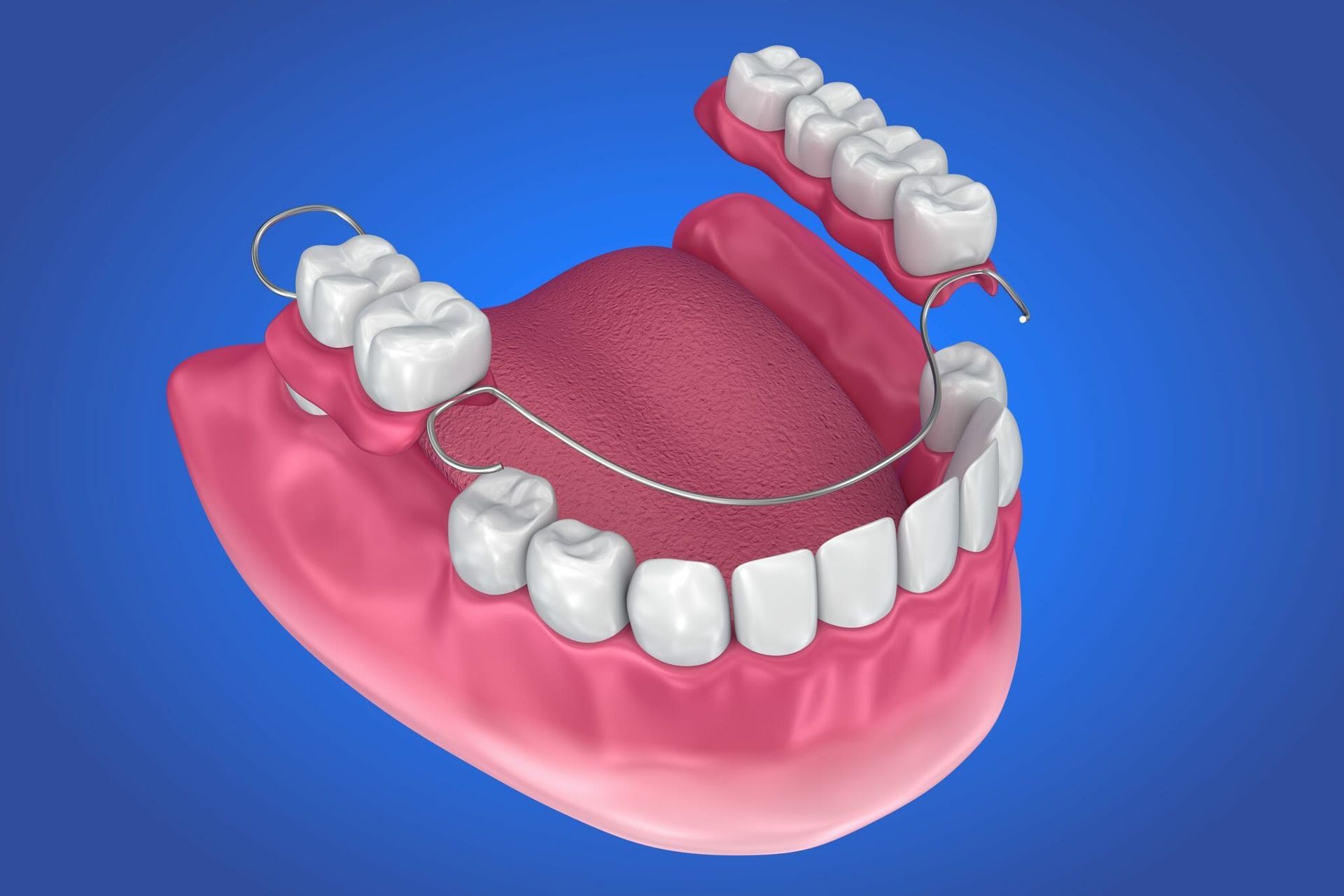
Losing teeth can be a daunting experience for anyone, and it can significantly impact your daily life. Removable partial dentures, or lower jaw dentures, are an excellent option for those who want to restore their smile and improve their oral health. They are dental appliances that replace missing teeth and prevent the remaining ones from shifting out of place. This blog will discuss the different types of partial dentures, the procedure for fitting them, and how they feel once you start using them. You’ll also learn about care and maintenance tips to ensure your partial dentures last longer. Lastly, we will cover how partial dentures can impact your daily life and what you can do if any issues or adjustments need to be made. Understanding Partial Dentures Partial dentures, also known as complete dentures or false teeth, are dental prostheses used to replace missing teeth. These prostheses, which may be all plastic or a mixture of metal and plastic, are designed to blend in seamlessly with your natural teeth, giving you a beautiful smile. In addition to aesthetics, complete dentures also help restore proper chewing and speech abilities. It is essential to have regular dental visits to ensure the appropriate fit and function of your false teeth. Role of Partial Dentures in Oral Health Partial dentures, including complete dentures, play a crucial role in maintaining oral health. One of their essential functions is preventing the shifting of remaining teeth, ensuring that the alignment of your bite is preserved. Additionally, partial dentures support the structure of your face, preventing a sagging appearance. To ensure optimal oral health, practicing proper oral hygiene and regularly cleaning your partial dentures to avoid plaque buildup is essential. By incorporating these habits, you can maintain the health of your natural teeth and enjoy the benefits of partial dentures without any complications. Procedure for Fitting Partial Dentures During the fitting process of partial dentures, a comprehensive examination by a dentist is the first step. Impressions of your mouth are then taken to create a custom mold, which is sent to a dental laboratory for fabrication. Once ready, the conventional denture is carefully adjusted and fitted in your mouth to ensure proper fit and function. Regular follow-up visits are necessary to maintain the comfort and functionality of the partial denture. Impacts of Partial Dentures on Daily Life Adjusting to eating with new dentures may take time. It’s recommended to start with soft foods cut into small pieces and gradually introduce more complex textures. Practicing proper chewing techniques and taking smaller bites can ensure comfortable eating. Speaking with new dentures may also require practice to regain clarity. However, with time and practice, the impacts of new dentures on daily life should be minimal. Eating with Partial Dentures When eating with partial dentures, it is recommended to start with soft foods to help ease the transition. Cutting your food into small, manageable pieces can make chewing more comfortable and reduce the risk of denture movement. Remember to chew slowly and evenly on both sides of your mouth to maintain stability. It’s best to avoid sticky or hard foods that may dislodge the partial denture. Additionally, practicing proper oral hygiene by cleaning your mouth and dentures after meals is essential for maintaining oral health. Speaking with Partial Dentures When speaking with partial dentures, remember a few critical practices. First, practicing speaking with your partial dentures is essential to improve clarity. Taking your time and enunciating clearly can make a big difference in how well you are understood. Additionally, using a denture adhesive can help keep your partial dentures in place while speaking, providing added confidence. Reading aloud or speaking in front of a mirror can also help you gain confidence in your speech. For those needing extra support, speech therapy or exercises can be beneficial in improving speech with partial dentures. Cleaning Tips for Denture Longevity To ensure the longevity and cleanliness of your partial dentures, it is essential to follow these cleaning tips. Before inserting your dentures, brush your natural teeth and gums thoroughly. Use a denture brush or soft-bristled toothbrush designed for cleaning dentures to clean your partial dentures, and rinse them after each meal to remove food particles. To keep them clean, soak your partial dentures overnight in a denture more sanitary water. Avoid using abrasive cleaners or toothpaste that can scratch or damage the dentures. You can also use hand soap or mild dishwashing liquid for cleaning dentures. By following these denture cleaning tips, you can maintain the durability and functionality of your partial dentures. Dealing with Issues and Adjustments in Partial Dentures If you experience any discomfort or sore spots from your partial dentures, it is essential to contact your dentist. Loose or ill-fitting partial dentures should be addressed by seeking professional help from a dental expert. It is advisable to avoid making adjustments yourself, as this can lead to further issues. Patience is critical during the adjustment period for new or modified partial dentures. Following your dentist’s instructions for wearing and caring for your partial dentures will ensure optimal results. Initially, you may be asked to wear your partial denture constantly. Although this may be uncomfortable initially, it’s the quickest way to identify areas needing adjustment. Conclusion In summary, partial dentures are a viable solution for individuals who have lost some natural teeth. They are crucial in maintaining oral health, restoring aesthetics, and improving functionality. With various partial dentures available, you can choose the one that best suits your needs and preferences. It’s essential to follow proper care and maintenance routines to ensure the longevity of your dentures. Regular visits to the dentist are also necessary to address any issues and make necessary adjustments. Remember, wearing partial dentures may require adjustment in daily activities such as eating and speaking, but with time, you will adapt and regain confidence in your smile. Contact us today at Bateson Dentistry!
September 2, 2026
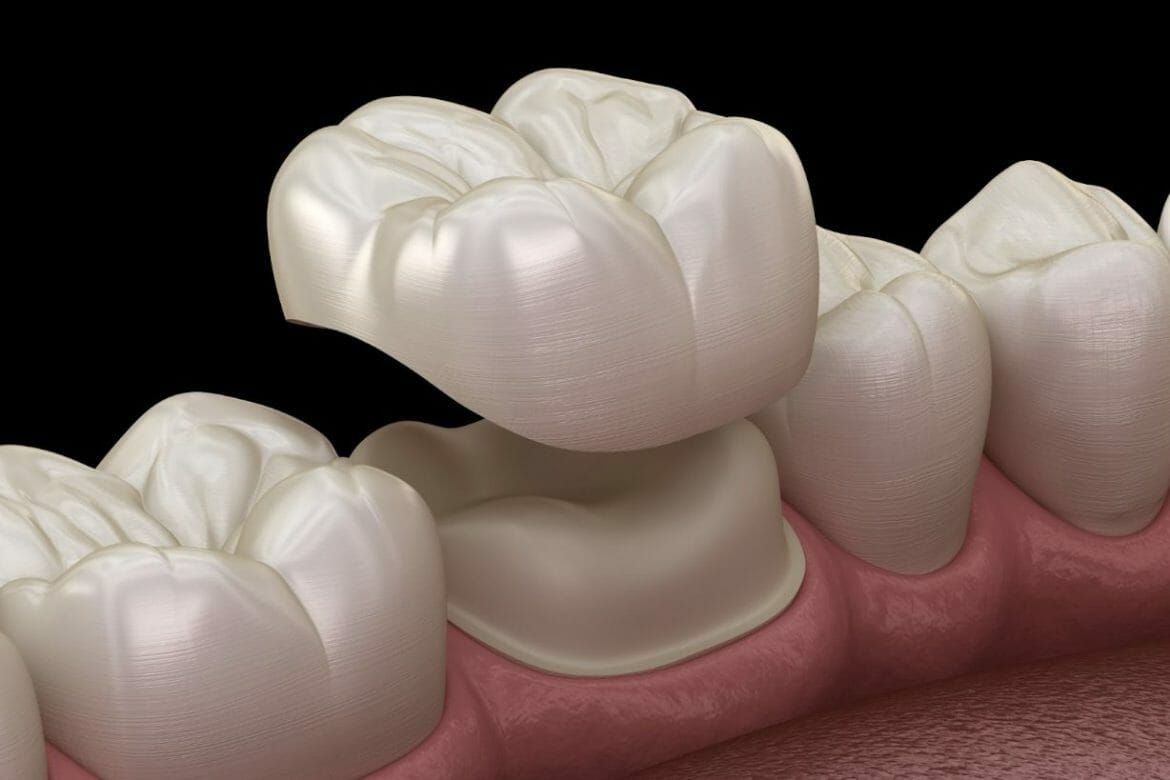
Are you tired of hiding your smile due to damaged or decayed teeth? Dental crowns may be the solution for you! They are a popular choice in restorative dentistry and for good reason. Dental crowns can help restore your teeth to their former glory, leaving you with a beautiful and healthy smile. In this blog post, we will discuss everything there is to know about dental crowns. So sit back, relax, and let’s dive into the world of dental crowns! Types Of Dental Crowns Dental crown options vary in materials and designs. Ceramic crowns make the best choice for natural-looking front teeth. PFM crowns offer both durability and strength with a natural look. Patients may opt for gold alloy crowns for long-lasting durability even though they might not be very popular due to their metallic appearance. Base metal alloy provides excellent resistance to wear, making it the perfect choice for back teeth restorations. Porcelain Crowns Restoring a damaged tooth with a dental crown may involve several options, but porcelain crowns have emerged as an increasingly popular choice. Porcelain crowns are crafted from a ceramic material that provides high durability while still resembling natural tooth enamel. In addition to their aesthetic appeal, porcelain crowns can blend seamlessly with your other teeth and require less removal of the tooth structure than other types of dental crowns. Whether you’re seeking to repair a cavity or replace a missing tooth, porcelain crowns may be an excellent option to consider in consultation with your dentist. Zirconia Crowns Zirconia crowns, a type of dental crown made from zirconium oxide, are an ideal choice for those seeking a natural-looking restoration that is both durable and long-lasting. These crowns can be color-matched to surrounding teeth and resist chipping and cracking, making them a popular option for those who grind or clench their teeth. While they may be more expensive than other types of crowns, the investment is worth it as they offer excellent value in terms of longevity and appearance. With proper care and maintenance, your new zirconia crown can last for years to come. Who Needs A Dental Crown? Dental crowns are suitable for individuals with damaged or decayed teeth, large fillings, or who have undergone root canal treatment. They can also enhance the appearance of misshapen or discolored teeth. It is recommended to consult with a dentist to determine if a dental crown is necessary. Dental Crown Care Maintaining good oral hygiene is crucial when it comes to taking care of your dental crown. Regular brushing and flossing will help keep your natural teeth healthy as well as the crowned tooth. Be sure to avoid hard or sticky foods that can damage your crown. Following a healthy diet may also benefit the longevity of the crown as well as your overall oral health. Visits to the dentist every six months for check-ups and cleanings may also help maintain the health of both natural teeth and crowns alike. Tips For Taking Care Of Your Crown To maintain the longevity of your dental crown and ensure optimal oral health, it’s crucial to follow a few simple tips. To start with, make sure to brush and floss regularly like you would with natural teeth. Avoid consuming hard or sticky foods that could potentially damage or dislodge the crown. Visit your dentist for regular check-ups and cleanings to ensure proper functioning and identify any issues before they worsen. If you do experience any discomfort or sensitivity with your crown, don’t hesitate to reach out to your dentist for guidance on the next steps. The Role Of A Dentist In Dental Crowns A successful dental crown restoration relies heavily on dentists who determine the ideal type of crown for damaged or decayed teeth. Dental professionals craft customized crowns that blend seamlessly with natural teeth in both color and shape. A precise fit is ensured during the procedure while aligning with surrounding teeth to promote maximum functionality. Aftercare instructions provided by dentists further extend the life of these restorations. Keep in mind that maintaining oral health through regular visits can aid in preventing potential damage. How Long Do Dental Crowns Last? The lifespan of dental crowns can vary from 5 to 15 years or longer, depending on factors like oral hygiene and the type of material used. Porcelain and zirconia crowns tend to be more durable than metal or resin-based ones. Regular dental check-ups are crucial for detecting any problems and prolonging the crown’s lifespan. Conclusion Dental crowns are an excellent way to restore your teeth and improve your oral health. With several types of dental crowns available, you can choose the option that works best for your needs and budget. From porcelain crowns to zirconia crowns, there is a solution that suits everyone. It is essential to take care of your dental crown properly by maintaining good oral hygiene practices and avoiding bad habits like teeth grinding or biting into hard foods. If you experience any complications with your crown, contact your dentist immediately. Regular check-ups and consultations with your dentist can help ensure the longevity of your dental crown. If you are considering getting a dental crown, consult with our experts to know more about the procedure and options available to you. Contact us today at Bateson Dentistry.
September 2, 2026
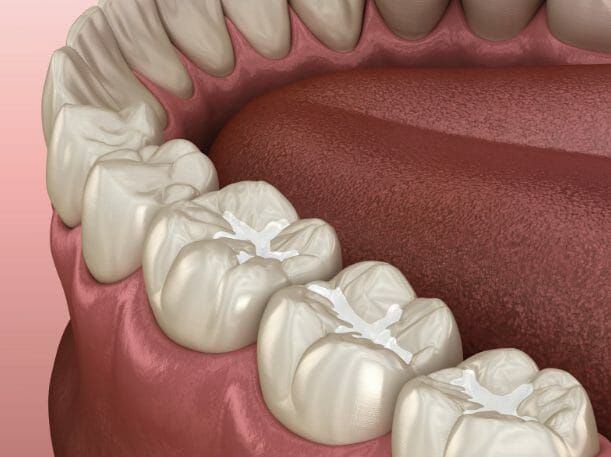
Taking care of your teeth is important, but sometimes brushing and flossing alone is not enough. That’s where dental sealants come in! Dental sealants are thin, plastic coatings applied to the chewing surfaces of your back teeth to protect them from decay. In this blog post, we will give you an overview of dental sealants, why they are important, how they are applied, what materials are used for dental sealants, and whether or not resin-based dental sealants are safe. Keep reading to learn more about why dental sealants should be a part of your hygiene routine. Overview Of Dental Sealants A dental sealant is a protective shield that dentists use to prevent tooth decay. This preventive treatment involves applying a coating on the chewing surface of permanent molars and premolars. The painless process ensures that the grooves and fissures of back teeth are sealed off, keeping out cavity-causing bacteria and food particles. Dental sealants provide an extra layer of protection to tooth enamel, shielding it from disease-causing plaque. It is a substitute for fillings and fluoride treatments. Dental hygienists recommend the use of sealants as part of regular check-ups, especially for children who are at high risk for cavities. Why Are Dental Sealants Important? Dental sealants are crucial in preventing tooth decay, especially in molars that have grooves and pits which can easily trap bacteria and food particles. They are painless, quick to apply, and can last for years. Children and teenagers can particularly benefit from them. How Are Dental Sealants Applied? Professional dental sealants are applied by a dentist or hygienist after cleaning and drying the tooth. The material is painted onto the tooth surface, where it bonds and solidifies. The procedure is quick, painless, and doesn’t require anesthesia. Regular check-ups ensure the longevity of the sealants. No anesthesia is needed for this. Are Resin-based Dental Sealants Safe? Resin-based dental sealants are a safe and effective way to prevent tooth decay. They are made of a BPA-free composite material, ensuring patient safety. Studies have shown their effectiveness in reducing the risk of cavities, especially in children and teenagers. The application process involves cleaning the teeth, applying an acidic gel, painting on the resin material, and curing it with a special light. Regular dental check-ups are necessary for maintenance. Overall, resin-based dental sealants provide lasting protection against tooth decay. Conclusion Dental sealants are an essential part of your oral hygiene routine and can offer long-term protection against tooth decay and cavities. These sealants are made from safe materials that bond to the surface of your teeth, creating a barrier between your enamel and harmful bacteria. They are also incredibly effective, with studies showing a significant reduction in tooth decay after applying dental sealants. Overall, dental sealants are a safe and effective way to protect your teeth, making them an essential addition to any oral hygiene routine. If you want to learn more about how dental sealants can benefit you, call and speak with us at Bateson Dentistry today!
September 2, 2026
Losing teeth can be a daunting experience for anyone, and it can significantly impact your daily life. Removable partial dentures, or lower jaw dentures, are an excellent option for those who want to restore their smile and improve their oral health. They are dental appliances that replace missing teeth and prevent the remaining ones from shifting out of place. This blog will discuss the different types of partial dentures, the procedure for fitting them, and how they feel once you start using them. You’ll also learn about care and maintenance tips to ensure your partial dentures last longer. Lastly, we will cover how partial dentures can impact your daily life and what you can do if any issues or adjustments need to be made. Understanding Partial Dentures Partial dentures, also known as complete dentures or false teeth, are dental prostheses used to replace missing teeth. These prostheses, which may be all plastic or a mixture of metal and plastic, are designed to blend in seamlessly with your natural teeth, giving you a beautiful smile. In addition to aesthetics, complete dentures also help restore proper chewing and speech abilities. It is essential to have regular dental visits to ensure the appropriate fit and function of your false teeth. Role of Partial Dentures in Oral Health Partial dentures, including complete dentures, play a crucial role in maintaining oral health. One of their essential functions is preventing the shifting of remaining teeth, ensuring that the alignment of your bite is preserved. Additionally, partial dentures support the structure of your face, preventing a sagging appearance. To ensure optimal oral health, practicing proper oral hygiene and regularly cleaning your partial dentures to avoid plaque buildup is essential. By incorporating these habits, you can maintain the health of your natural teeth and enjoy the benefits of partial dentures without any complications. Procedure for Fitting Partial Dentures During the fitting process of partial dentures, a comprehensive examination by a dentist is the first step. Impressions of your mouth are then taken to create a custom mold, which is sent to a dental laboratory for fabrication. Once ready, the conventional denture is carefully adjusted and fitted in your mouth to ensure proper fit and function. Regular follow-up visits are necessary to maintain the comfort and functionality of the partial denture. Impacts of Partial Dentures on Daily Life Adjusting to eating with new dentures may take time. It’s recommended to start with soft foods cut into small pieces and gradually introduce more complex textures. Practicing proper chewing techniques and taking smaller bites can ensure comfortable eating. Speaking with new dentures may also require practice to regain clarity. However, with time and practice, the impacts of new dentures on daily life should be minimal. Eating with Partial Dentures When eating with partial dentures, it is recommended to start with soft foods to help ease the transition. Cutting your food into small, manageable pieces can make chewing more comfortable and reduce the risk of denture movement. Remember to chew slowly and evenly on both sides of your mouth to maintain stability. It’s best to avoid sticky or hard foods that may dislodge the partial denture. Additionally, practicing proper oral hygiene by cleaning your mouth and dentures after meals is essential for maintaining oral health. Speaking with Partial Dentures When speaking with partial dentures, remember a few critical practices. First, practicing speaking with your partial dentures is essential to improve clarity. Taking your time and enunciating clearly can make a big difference in how well you are understood. Additionally, using a denture adhesive can help keep your partial dentures in place while speaking, providing added confidence. Reading aloud or speaking in front of a mirror can also help you gain confidence in your speech. For those needing extra support, speech therapy or exercises can be beneficial in improving speech with partial dentures. Cleaning Tips for Denture Longevity To ensure the longevity and cleanliness of your partial dentures, it is essential to follow these cleaning tips. Before inserting your dentures, brush your natural teeth and gums thoroughly. Use a denture brush or soft-bristled toothbrush designed for cleaning dentures to clean your partial dentures, and rinse them after each meal to remove food particles. To keep them clean, soak your partial dentures overnight in a denture more sanitary water. Avoid using abrasive cleaners or toothpaste that can scratch or damage the dentures. You can also use hand soap or mild dishwashing liquid for cleaning dentures. By following these denture cleaning tips, you can maintain the durability and functionality of your partial dentures. Dealing with Issues and Adjustments in Partial Dentures If you experience any discomfort or sore spots from your partial dentures, it is essential to contact your dentist. Loose or ill-fitting partial dentures should be addressed by seeking professional help from a dental expert. It is advisable to avoid making adjustments yourself, as this can lead to further issues. Patience is critical during the adjustment period for new or modified partial dentures. Following your dentist’s instructions for wearing and caring for your partial dentures will ensure optimal results. Initially, you may be asked to wear your partial denture constantly. Although this may be uncomfortable initially, it’s the quickest way to identify areas needing adjustment. Conclusion In summary, partial dentures are a viable solution for individuals who have lost some natural teeth. They are crucial in maintaining oral health, restoring aesthetics, and improving functionality. With various partial dentures available, you can choose the one that best suits your needs and preferences. It’s essential to follow proper care and maintenance routines to ensure the longevity of your dentures. Regular visits to the dentist are also necessary to address any issues and make necessary adjustments. Remember, wearing partial dentures may require adjustment in daily activities such as eating and speaking, but with time, you will adapt and regain confidence in your smile. Contact us today at Bateson Dentistry!
September 2, 2026
Are you tired of hiding your smile due to damaged or decayed teeth? Dental crowns may be the solution for you! They are a popular choice in restorative dentistry and for good reason. Dental crowns can help restore your teeth to their former glory, leaving you with a beautiful and healthy smile. In this blog post, we will discuss everything there is to know about dental crowns. So sit back, relax, and let’s dive into the world of dental crowns! Types Of Dental Crowns Dental crown options vary in materials and designs. Ceramic crowns make the best choice for natural-looking front teeth. PFM crowns offer both durability and strength with a natural look. Patients may opt for gold alloy crowns for long-lasting durability even though they might not be very popular due to their metallic appearance. Base metal alloy provides excellent resistance to wear, making it the perfect choice for back teeth restorations. Porcelain Crowns Restoring a damaged tooth with a dental crown may involve several options, but porcelain crowns have emerged as an increasingly popular choice. Porcelain crowns are crafted from a ceramic material that provides high durability while still resembling natural tooth enamel. In addition to their aesthetic appeal, porcelain crowns can blend seamlessly with your other teeth and require less removal of the tooth structure than other types of dental crowns. Whether you’re seeking to repair a cavity or replace a missing tooth, porcelain crowns may be an excellent option to consider in consultation with your dentist. Zirconia Crowns Zirconia crowns, a type of dental crown made from zirconium oxide, are an ideal choice for those seeking a natural-looking restoration that is both durable and long-lasting. These crowns can be color-matched to surrounding teeth and resist chipping and cracking, making them a popular option for those who grind or clench their teeth. While they may be more expensive than other types of crowns, the investment is worth it as they offer excellent value in terms of longevity and appearance. With proper care and maintenance, your new zirconia crown can last for years to come. Who Needs A Dental Crown? Dental crowns are suitable for individuals with damaged or decayed teeth, large fillings, or who have undergone root canal treatment. They can also enhance the appearance of misshapen or discolored teeth. It is recommended to consult with a dentist to determine if a dental crown is necessary. Dental Crown Care Maintaining good oral hygiene is crucial when it comes to taking care of your dental crown. Regular brushing and flossing will help keep your natural teeth healthy as well as the crowned tooth. Be sure to avoid hard or sticky foods that can damage your crown. Following a healthy diet may also benefit the longevity of the crown as well as your overall oral health. Visits to the dentist every six months for check-ups and cleanings may also help maintain the health of both natural teeth and crowns alike. Tips For Taking Care Of Your Crown To maintain the longevity of your dental crown and ensure optimal oral health, it’s crucial to follow a few simple tips. To start with, make sure to brush and floss regularly like you would with natural teeth. Avoid consuming hard or sticky foods that could potentially damage or dislodge the crown. Visit your dentist for regular check-ups and cleanings to ensure proper functioning and identify any issues before they worsen. If you do experience any discomfort or sensitivity with your crown, don’t hesitate to reach out to your dentist for guidance on the next steps. The Role Of A Dentist In Dental Crowns A successful dental crown restoration relies heavily on dentists who determine the ideal type of crown for damaged or decayed teeth. Dental professionals craft customized crowns that blend seamlessly with natural teeth in both color and shape. A precise fit is ensured during the procedure while aligning with surrounding teeth to promote maximum functionality. Aftercare instructions provided by dentists further extend the life of these restorations. Keep in mind that maintaining oral health through regular visits can aid in preventing potential damage. How Long Do Dental Crowns Last? The lifespan of dental crowns can vary from 5 to 15 years or longer, depending on factors like oral hygiene and the type of material used. Porcelain and zirconia crowns tend to be more durable than metal or resin-based ones. Regular dental check-ups are crucial for detecting any problems and prolonging the crown’s lifespan. Conclusion Dental crowns are an excellent way to restore your teeth and improve your oral health. With several types of dental crowns available, you can choose the option that works best for your needs and budget. From porcelain crowns to zirconia crowns, there is a solution that suits everyone. It is essential to take care of your dental crown properly by maintaining good oral hygiene practices and avoiding bad habits like teeth grinding or biting into hard foods. If you experience any complications with your crown, contact your dentist immediately. Regular check-ups and consultations with your dentist can help ensure the longevity of your dental crown. If you are considering getting a dental crown, consult with our experts to know more about the procedure and options available to you. Contact us today at Bateson Dentistry.
September 2, 2026
Taking care of your teeth is important, but sometimes brushing and flossing alone is not enough. That’s where dental sealants come in! Dental sealants are thin, plastic coatings applied to the chewing surfaces of your back teeth to protect them from decay. In this blog post, we will give you an overview of dental sealants, why they are important, how they are applied, what materials are used for dental sealants, and whether or not resin-based dental sealants are safe. Keep reading to learn more about why dental sealants should be a part of your hygiene routine. Overview Of Dental Sealants A dental sealant is a protective shield that dentists use to prevent tooth decay. This preventive treatment involves applying a coating on the chewing surface of permanent molars and premolars. The painless process ensures that the grooves and fissures of back teeth are sealed off, keeping out cavity-causing bacteria and food particles. Dental sealants provide an extra layer of protection to tooth enamel, shielding it from disease-causing plaque. It is a substitute for fillings and fluoride treatments. Dental hygienists recommend the use of sealants as part of regular check-ups, especially for children who are at high risk for cavities. Why Are Dental Sealants Important? Dental sealants are crucial in preventing tooth decay, especially in molars that have grooves and pits which can easily trap bacteria and food particles. They are painless, quick to apply, and can last for years. Children and teenagers can particularly benefit from them. How Are Dental Sealants Applied? Professional dental sealants are applied by a dentist or hygienist after cleaning and drying the tooth. The material is painted onto the tooth surface, where it bonds and solidifies. The procedure is quick, painless, and doesn’t require anesthesia. Regular check-ups ensure the longevity of the sealants. No anesthesia is needed for this. Are Resin-based Dental Sealants Safe? Resin-based dental sealants are a safe and effective way to prevent tooth decay. They are made of a BPA-free composite material, ensuring patient safety. Studies have shown their effectiveness in reducing the risk of cavities, especially in children and teenagers. The application process involves cleaning the teeth, applying an acidic gel, painting on the resin material, and curing it with a special light. Regular dental check-ups are necessary for maintenance. Overall, resin-based dental sealants provide lasting protection against tooth decay. Conclusion Dental sealants are an essential part of your oral hygiene routine and can offer long-term protection against tooth decay and cavities. These sealants are made from safe materials that bond to the surface of your teeth, creating a barrier between your enamel and harmful bacteria. They are also incredibly effective, with studies showing a significant reduction in tooth decay after applying dental sealants. Overall, dental sealants are a safe and effective way to protect your teeth, making them an essential addition to any oral hygiene routine. If you want to learn more about how dental sealants can benefit you, call and speak with us at Bateson Dentistry today!
September 2, 2026
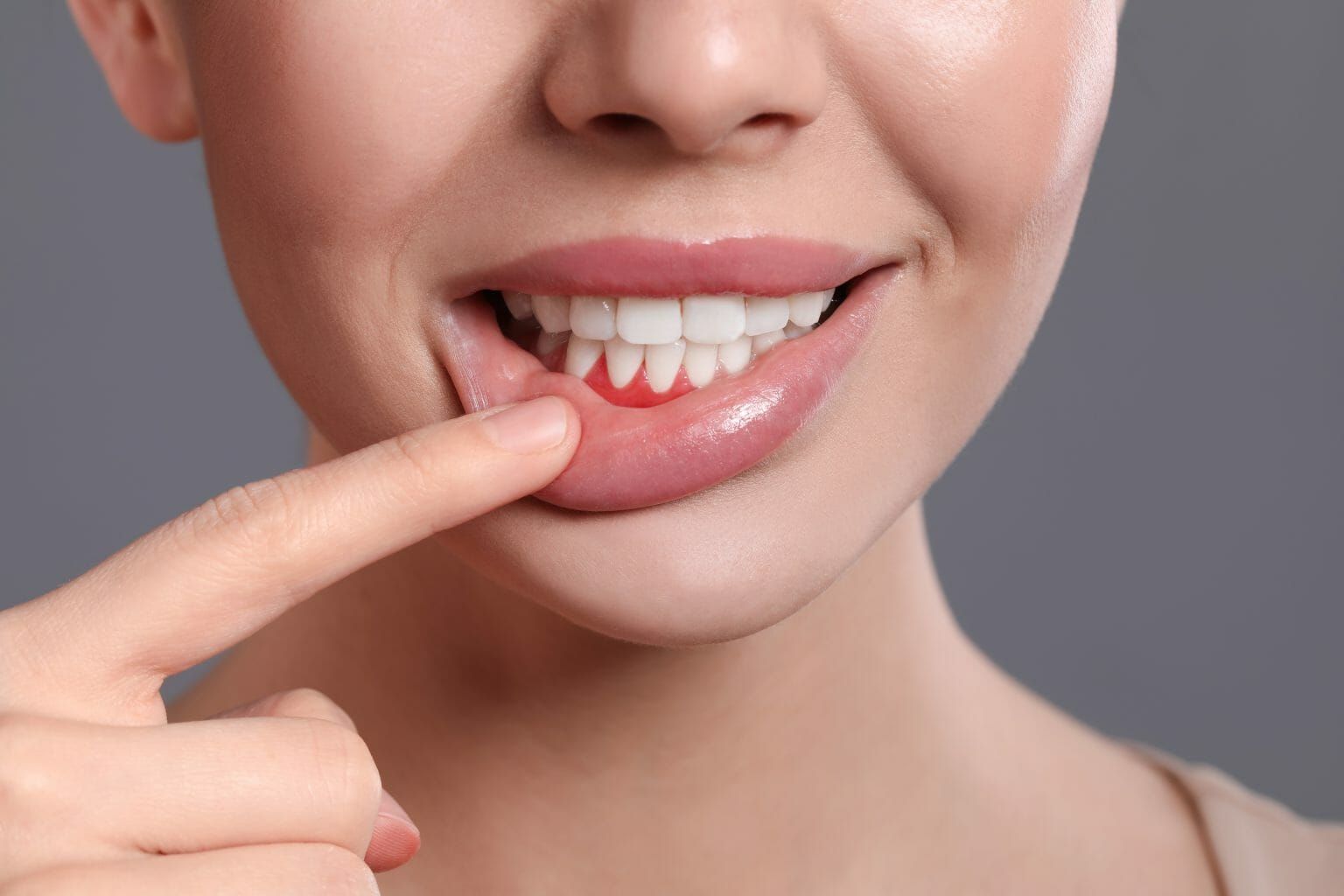
A healthy smile is a great asset to have, but it takes more than just brushing and flossing daily to maintain it. Regular dental cleanings are critical for optimum oral health. They help prevent cavities, gum disease, and other disorders that can affect not only your teeth but also your overall health. This blog post will cover everything you need to know about regular dental cleanings. We will explain what they are, why they are critical, and what benefits you can expect after each appointment. We will also discuss how often you should have dental cleanings depending on various factors affecting cleaning frequency. Lastly, we will give you an overview of the tools used in routine dental cleaning so that you know what to expect during your appointment. Importance of Regular Dental Cleanings Maintaining excellent oral health requires more than just brushing and flossing at home. Regular dental cleanings are critical to preventing gum disease, tooth decay, and other oral health problems. Additionally, regular dental cleanings have been shown to improve overall health by reducing the risk of heart disease, stroke, and other health issues associated with poor oral hygiene. What are Dental Cleanings? Regular dental cleanings are professional cleanings of the teeth and gums performed by a dental hygienist. These cleanings remove plaque and tartar buildup that cannot be removed by regular brushing and flossing. Apart from keeping cavities, gum disease, and other oral health issues at bay, these cleanings also include an oral exam to check for any signs of problems such as oral cancer or tooth decay. Most dentists recommend getting a dental cleaning every six months for optimal oral health. By regularly getting your teeth cleaned, you can maintain good oral hygiene, prevent future problems, and save on expensive dental procedures in the long run. Benefits of Routine Dental Cleanings Regular dental cleanings offer numerous benefits that go beyond just preventing cavities and gum disease. These cleanings can help detect oral health issues early, giving you the chance to get treatment before problems become more serious to treat. Additionally, by maintaining good oral hygiene through regular cleanings, you can potentially reduce your risk of other health problems such as heart disease and diabetes. Furthermore, cleanings can also help improve bad breath and give you a brighter smile. When it comes to taking care of your teeth, routine dental cleanings are an essential part of any oral health regimen. Preventing Cavities and Gum Disease Regular dental cleanings play a crucial role in preventing cavities and gum disease. These cleanings involve the removal of plaque and tartar buildup, which can contribute to the development of cavities and gum disease. Additionally, professional cleanings can detect any early signs of oral health issues, allowing for prompt treatment before they become more serious. By maintaining good oral hygiene through routine dental cleanings, patients can potentially reduce the risk of systemic diseases such as heart disease and diabetes while enjoying fresher breath and a brighter smile. Improving Overall Health Regular dental cleanings are not only essential for maintaining good oral hygiene, but they can also contribute to overall health. Gum disease has been linked to various health problems, including heart disease and stroke. Regular cleanings can help prevent the buildup of harmful bacteria that can lead to gum disease and improve your cardiovascular health. Additionally, cleanings can identify early signs of oral cancer or other dental problems before they become serious issues, making them an important part of preventive healthcare. By prioritizing regular dental cleanings, individuals can enjoy a brighter smile and fresher breath, and potentially reduce their risk of other health problems such as diabetes and respiratory infections. Whitening Your Teeth Regular dental cleanings not only keep your teeth healthy but can also help whiten them. While whitening toothpaste might work for surface stains, deeper discoloration requires professional cleaning or whitening treatments. Dental cleanings remove plaque and tartar that can cause tooth decay and gum disease, leaving you with a cleaner, brighter smile. Consult with your dentist to determine the best course of action for your oral health needs to achieve a confident, radiant smile. How Often Should You Have Dental Cleanings? Maintaining good oral health is essential, and regular dental cleanings play a significant role in achieving this goal. The American Dental Association recommends having a dental cleaning every six months. However, some individuals may need more frequent cleanings based on their oral health and medical history. Skipping regular dental cleanings can lead to painful dental procedures in the future. Therefore, it is crucial to talk to your dentist about the recommended frequency of dental cleanings for your specific needs. By doing so, you can maintain optimal oral health and prevent serious dental issues down the line. Conclusion In conclusion, regular dental cleanings are crucial for maintaining optimum oral health. Not only do they help prevent cavities and gum diseases, but they also improve your overall health and give you whiter teeth. The frequency of cleaning depends on several factors such as age, oral health status, and lifestyle. During the dental cleaning process, a dentist examines your mouth, removes plaque and tartar, flosses and polishes your teeth, and provides fluoride treatments and oral hygiene education. Don’t neglect your oral health – schedule a routine dental cleaning today at Bateson Dentistry to keep your smile shining bright.
September 2, 2026
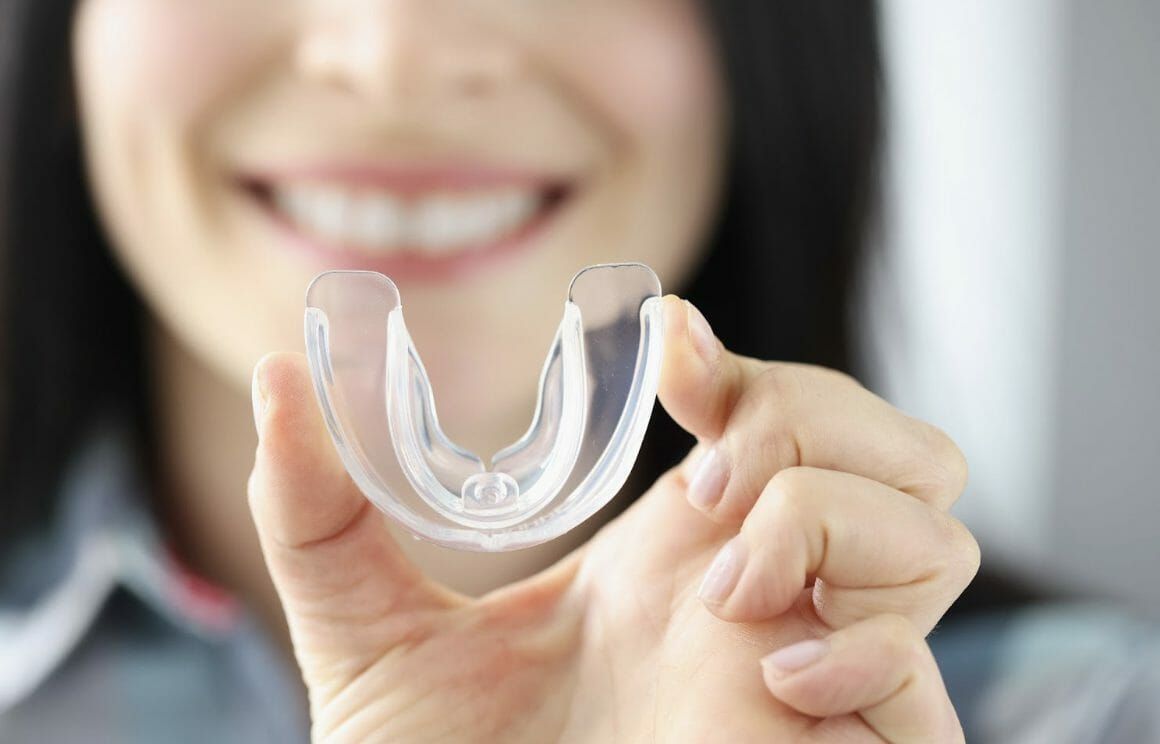
Do you wake up with sore teeth or jaw pain? Teeth grinding, also known as bruxism, is a common issue that affects many people. Over time, it can cause serious damage to your teeth and lead to other oral health issues. Luckily, wearing a night guard can help protect your teeth while you sleep. In this blog, we will discuss why you need a night guard for teeth grinding and the different types of night guards available in the market. We will compare the pros and cons of each type so you can make an informed decision about which one is best for you. Additionally, we will provide tips on how to choose the right night guard and how to maintain it properly. Read on to learn how a simple night guard can help keep your smile healthy for years to come! Why You Need a Night Guard for Teeth Grinding Maintaining healthy teeth is essential to ensuring overall health and well-being. Unfortunately, for many people, teeth grinding or bruxism can lead to significant damage to both the teeth and jaw muscles. This condition can cause headaches, jaw pain, and even tooth loss in severe cases. The good news is that a night guard can help protect your teeth from the effects of bruxism. By wearing a custom-fit night guard while sleeping, you can reduce the damage caused by teeth grinding and improve your sleep quality. Moreover, using a night guard ensures that you wake up refreshed and pain-free in the morning. So why not invest in your dental health? Get yourself a night guard for teeth grinding today! Proper Maintenance of Your Night Guard After investing in a night guard for teeth grinding, it’s important to maintain it properly to ensure its effectiveness and longevity. Proper maintenance of your night guard involves regular cleaning with mild soap and water, as well as storing it in a well-ventilated container to prevent bacterial growth. Exposure to high temperatures or direct sunlight should be avoided to prevent warping or distortions of the material. Additionally, periodic replacement of the night guard is recommended to ensure continued protection for your teeth. If you experience any discomfort or issues with your night guard, consult with your dentist for appropriate guidance. Frequently Asked Questions about Night Guards for Teeth Grinding Night guards are a popular solution for teeth grinding, a condition that can cause serious damage to teeth and jaw muscles. But how do they work, and who should consider using one? A night guard is a custom-fitted oral appliance designed to protect teeth from the damaging effects of clenching and grinding. It creates a barrier between the upper and lower teeth, preventing them from coming into contact during sleep. Anyone who experiences pain or discomfort related to teeth grinding should consider using a night guard. Additionally, people who have been diagnosed with bruxism or TMJ disorders may benefit from wearing one. With different types of night guards available, it’s important to choose the right type for your needs. Conclusion A night guard is an effective solution for teeth grinding, and it helps to protect your teeth from damage. With different types of night guards available, you can find the one that suits your needs and budget. Custom night guards are often recommended by dentists as they offer the best fit and protection. However, over-the-counter night guards are also a good option if you need something more affordable. To choose the right night guard for you, consider factors such as comfort, fit, durability, and material. Proper maintenance of your night guard is crucial to ensure its longevity and effectiveness. To learn more about night guards for teeth grinding and how to select the right one for you, contact us at Bateson Dentistry Today!
September 2, 2026
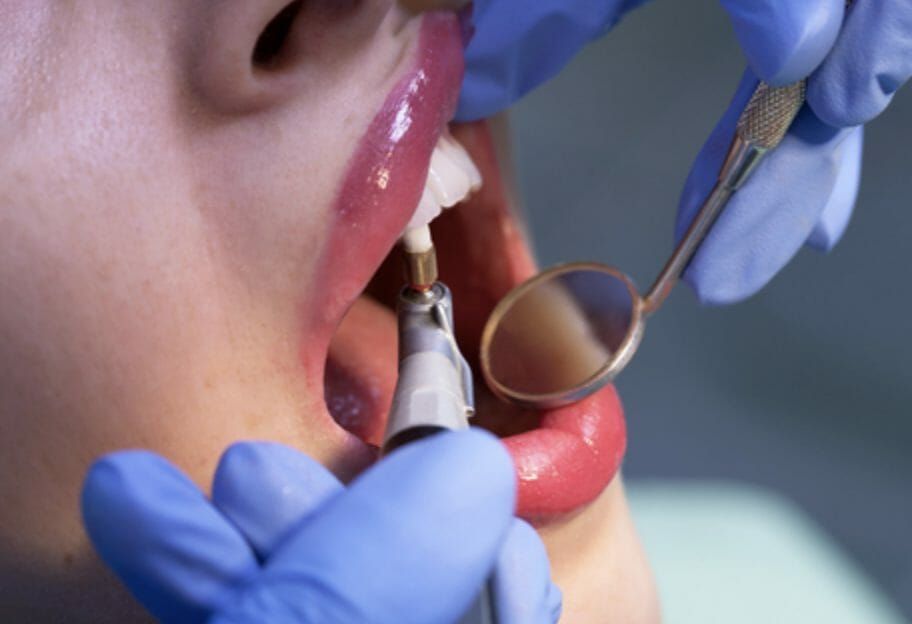
When was the last time you went for a dental cleaning? Regular visits to the dentist are crucial for maintaining good oral health. However, when your dentist recommends a “deep cleaning,” it can be a cause for concern. But what exactly is a deep teeth cleaning? In this blog, we will answer all your questions and help you prepare for your next cleaning appointment. You’ll learn about the differences between regular cleanings and deep cleanings, why you may need one, and what to expect during and after the procedure. So take a deep breath, relax, and let’s dive into the world of deep teeth cleaning. What IS A deep teeth cleaning? Deep teeth cleaning, also called scaling and root planing, is a procedure that involves precisely removing tartar and plaque from teeth both above and below the gum line. This is not a routine treatment, only necessary for signs of gum disease such as inflammation, bleeding, and changes in tooth position. Deep cleaning is an essential step to restore gum health and to reduce the gap between teeth and gums. This procedure can slow or halt the progression of gum disease, and sometimes, it is used to prevent tooth loss. Scaling and root planing are the two major components of deep cleaning. Scaling involves cleaning above and below the gum line, while root planing smoothes the root surfaces to promote the healing process. Even though it is slightly different from routine cleanings, deep cleaning tackles active periodontal disease, aiming to eliminate infection and save teeth from any further damage. When is Deep Cleaning Necessary? Deep cleaning is necessary for patients with periodontitis. Periodontitis is an advanced stage of gum disease, where bacteria have caused significant damage to the periodontal tissues. Deep cleaning appointments are typically divided into two visits, with half of the mouth cleaned during each. The duration of a deep cleaning may vary depending on several factors, such as the patient’s condition and the level of tartar buildup. Deep cleaning involves removing tartar buildup and bacteria from the gum line and tooth roots. This may require scaling and root planing procedures. Dress in comfortable clothing for the appointment and inquire about laughing gas or other sedation options to make you feel more comfortable during the procedure. Remember, a deep cleaning can help prevent further damage to your oral health and save you from costly dental treatments in the future. Your first deep teeth cleaning appointment When you visit your dentist for a deep teeth cleaning appointment, you can expect a thorough examination of your teeth and gums. Your dentist or dental hygienist may recommend a deep cleaning if signs of gum disease are present. Deep cleaning involves scaling and root planing to remove plaque and tartar from below the gum line. Deep cleaning is typically spread over multiple visits to ensure that it is done correctly. Patients can also ask for laughing gas if needed to help them relax during the procedure. It is essential to prepare for the deep cleaning appointment by cleaning your mouth and preparing your immune system. Gum disease can lead to tooth loss if not treated properly, so deep cleaning is essential to maintain good oral health. Does deep cleaning stop gum disease? Deep cleaning can be necessary when there are signs of gum disease present. This procedure, also known as scaling and root planing, involves removing plaque and tartar from above and below the gum line to reduce the pocket size and halt the progression of gingivitis. By removing the bacteria, deep cleaning helps prevent the spread of bacteria from the gums to the teeth and can prevent further tooth loss. Deep cleaning can also help prevent gum bleeding and stop the progression of gum disease. However, it is important to remember that early treatment and good oral hygiene practices, like regular brushing and flossing, are crucial to ensure that gum disease doesn’t return. Deep cleaning is only one part of gum disease treatment, so it is important to work closely with your dentist to develop a comprehensive treatment plan. Why would a dentist do a deep cleaning? A dentist may recommend a deep cleaning, also known as gum therapy, to prevent periodontitis and infection. This is a more extensive cleaning that goes beyond a standard cleaning and involves cleaning between the gums and teeth down to the roots. Although a deep cleaning can be painful, local anesthesia can help. Scaling and root planing are used to remove plaque, tartar, and bacteria below the gum line, which can prevent gum disease and improve oral health. If your dentist recommends a deep cleaning, it is important to follow through with the treatment to avoid potential complications. What technology is used to help with a deep cleaning? Dental deep cleaning involves the use of special technology to remove plaque and bacteria below the gum line, helping to prevent gum disease and reduce the risk of infection. Unlike routine dental cleaning that targets teeth at and above the gum line, deep cleaning requires special techniques to remove tough plaque and tartar buildup. Our laser technology used at Bateson Dentistry can ward off and repair gum disease. After deep cleaning, minor swelling, sensitivity, and bleeding are normal. However, these symptoms usually resolve quickly, leaving you with a healthier, cleaner smile. What to Expect After Deep Cleaning After a deep dental cleaning, some sensitivity and soreness may occur, but this is all normal. To make the experience as comfortable as possible, consider dressing in comfortable clothing and bringing a blanket or earbuds. To ensure the best results, it is essential to avoid hard, crunchy, or sticky foods after deep cleaning. Use desensitizing toothpaste, and consider rinsing the mouth with saltwater. You can expect two visits, with each visit covering half of the mouth. Deep cleaning is a preventive measure against periodontitis and infection, so be sure to attend your appointment for your overall oral health. Conclusion In summary, a deep teeth cleaning procedure helps prevent gum diseases and ensures that your teeth and gums are healthy. During your first appointment, the dentist will examine your teeth to check your oral health and determine whether you need a deep cleaning. After the cleaning, you may experience some discomfort and sensitivity, but this will eventually fade. Maintaining good oral hygiene by brushing and flossing regularly and scheduling regular dental checkups is critical. Looking for exceptional dental care services? Contact our team of professionals who are dedicated to using advanced technology, including our laser, to help with this deep cleaning process.

September 2, 2026
A beautiful set of teeth can work wonders in enhancing your overall appearance. If you have always desired sparkling and perfectly aligned teeth, porcelain veneers can be the perfect solution for you. However, before you consider getting them done, there are important things that you should keep in mind. In this blog, we will cover 6 things that you can consider before getting porcelain veneers. We’ll also provide you with a comprehensive analysis of the benefits and drawbacks of veneers, the different types of veneers available, what to expect during the procedure, and how to take care of your new smile after the procedure. Keep reading to ensure that porcelain veneers are the right choice for your teeth. Considerations Before Getting Porcelain Veneers Before deciding on porcelain veneers, there are some important factors to consider. Porcelain veneers have the ability to correct a variety of dental issues, including chips, gaps, misalignment, and stains. Durability and strength are provided for up to 25 years by these thin ceramic shells. However, the porcelain veneer procedure usually takes two office visits and involves the removal of a small amount of enamel. Temporary veneers are worn before permanent changes are made, and the entire procedure may take about two hours to complete. It’s important to choose a provider who offers personalized treatment plans for a natural look and comfortable fit. If you’re considering porcelain veneers, speak with Dr. Bateson to learn more and determine if veneers are the right option for your dental needs. Pros and Cons of Porcelain Veneers While porcelain veneers have many benefits, there may be downsides to consider as well. On the plus side, porcelain veneers are an excellent solution for those with teeth that have chips, gaps, and discoloration. They blend seamlessly with your other teeth, resist staining, and are long-lasting, making them very popular. They are natural-looking and durable, capable of lasting up to 25 years, and they’re resistant to plaque build-up, leading to better oral hygiene. One of the biggest advantages of getting veneers is that the process is streamlined, requiring only a few short appointments with no downtime. However, there are potential cons associated with veneers in some scenarios. Once you’ve received them, you may have heightened tooth sensitivity, which can be problematic for some people. If the veneers become damaged, they must be replaced, which can be costly. In short, when considering porcelain veneers, it’s important to weigh the pros and cons to decide if this option is right for you. Different Types of Veneers Veneers can be made of porcelain or composite resin; there are also “no-prep” options. Porcelain veneers are durable, resist stains, and mimic natural teeth to provide the most natural-looking and long-lasting results; that’s what we offer at Bateson Dentistry. Composite veneers, on the other hand, are less expensive and require less tooth reduction but may not last as long. Another option is removable veneers that can be taken out at night. The choice of veneer material depends on individual dental concerns and should be discussed with a dentist to determine which option is best for you. Porcelain veneers can last up to 25 years with proper care, making them a wise investment in the beauty and health of your smile. What to Expect During the Procedure If you’re considering porcelain veneers, it’s important to know what to expect during the procedure. Typically, the process involves two visits to the dentist’s office. During the first one, the dentist will prepare your tooth by sculpting and removing the enamel. After this, an impression will be taken to create custom-tailored veneers that will precisely match the natural shade of your teeth. The second visit includes the bonding of these veneers to the prepared teeth. Advantages of Porcelain Veneers Porcelain veneers are a popular cosmetic dentistry procedure that can improve the appearance of your teeth in a variety of ways. They are an ideal option for anyone with asymmetrical, short, or worn-down teeth, chips, gaps, misalignment, and dental stains or discoloration. Porcelain veneers are designed to be hard, almost indistinguishable from adjacent teeth, and highly stain-resistant. They can last up to 25 years, and with a thin ceramic shell that precisely fits, they provide a natural and seamless appearance. They are more durable than bonding or composite veneers, and require little to no downtime. One of the significant benefits of porcelain veneers is their ability to strengthen and support weak teeth. With all these benefits in mind, it is worth considering porcelain veneers as a cosmetic dentistry option. Aftercare for Porcelain Veneers Taking care of your porcelain veneers is essential for ensuring that they last long. Avoiding stain-causing foods and having good oral hygiene habits benefit the longevity of porcelain veneers. It is recommended to brush your teeth immediately after you consume stain-causing drinks. Porcelain veneers are highly polishable, so avoiding chewy or sticky foods is best. Although porcelain veneers require minimal maintenance, regular dental checkups and cleanings are still necessary for maintaining the health of teeth with porcelain veneers. Aftercare, therefore, plays a crucial role in increasing the lifespan of your porcelain veneers. Conclusion Porcelain veneers can transform your smile and give you the confidence you deserve. However, before opting for this procedure, it’s important to consider various points such as the cost, procedure, and aftercare. It’s important to know all the pros and cons before making a decision. Our team of experts at Bateson Dentistry can help you make an informed decision. Get in touch with us to learn more about porcelain veneers and whether they are the right choice for you.
September 2, 2026
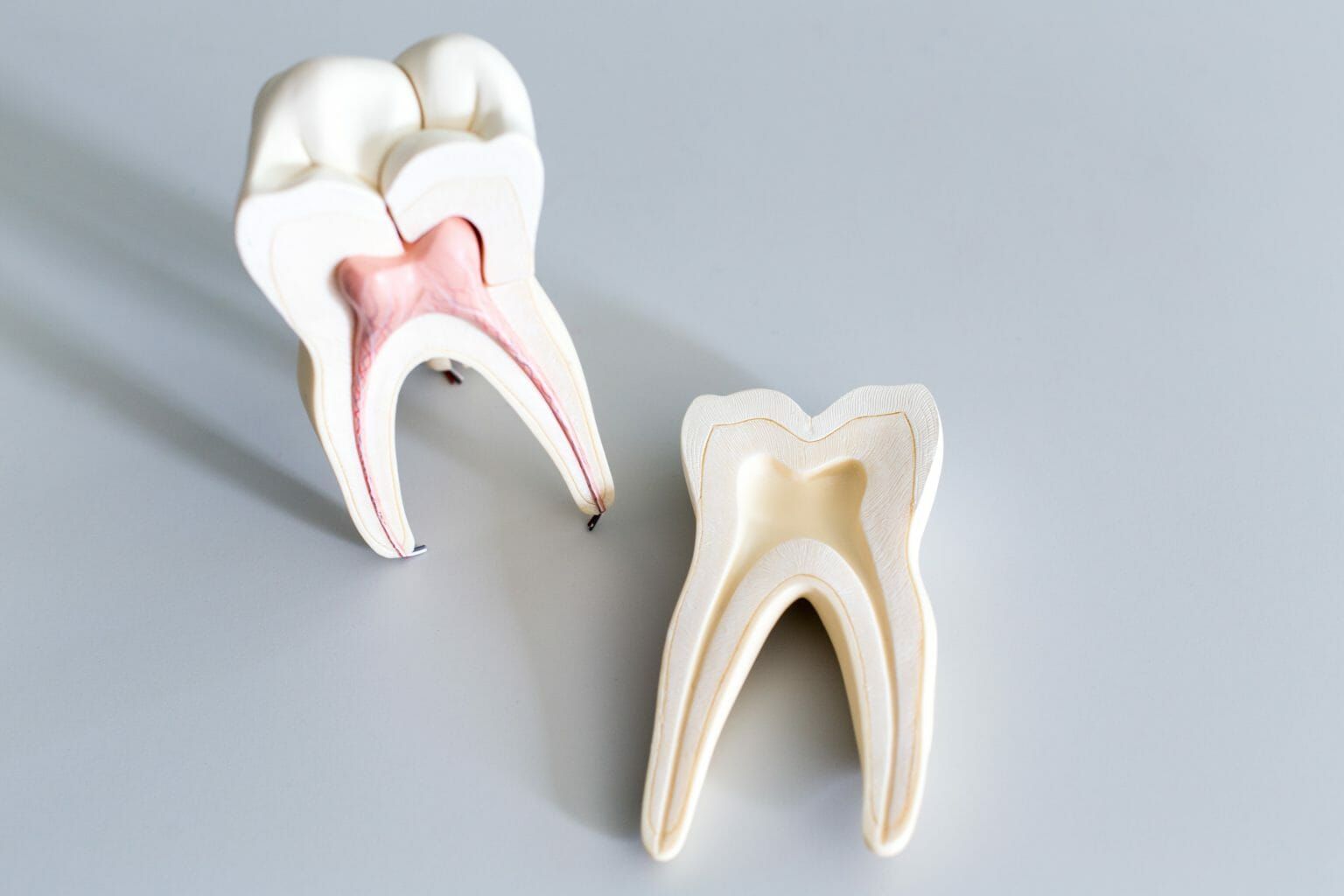
Keeping your smile looking its best begins with good oral hygiene on a daily basis. Yet, even if you remain diligent in your efforts, you can still experience problems that may eventually lead to the need for root canal therapy. While a root canal is not something you want to think about or experience, the reality is you may need to consider it at some point. The development of a damaged, infected, or highly decayed tooth will need a solution in order to maintain functionality. Knowing what root canal therapy entails and the pros and cons involved will be the first step in helping you make the right decision for your mouth should the need arise. What Is Root Canal Therapy? When a natural tooth is no longer able to thrive and perform as needed, it is time to consider undergoing a root canal procedure. This procedure focuses on cleaning out an infected and damaged tooth all the way to the root. Your dental team will first take digital X-rays of your tooth to gain a better understanding and view of what is happening underneath the surface. Any sign of decay or infection reaching the root area increases the chances that it will need a root canal. Your dentist will first numb the area, then make a tiny hole in the top (or bottom, depending on where located) of the tooth. The removal of infected or decayed tissue will take place through this hole with the use of special dental tools. The inner space will also be cleared and shaped, ready for the application of a resin material. The resin fills the space up completely, restoring the structure of the tooth and much of its strength. The hole is then sealed. Most often, you will need a dental crown to protect what remains of your natural tooth after the root canal. Pros of a Root Canal Root canal therapy has been around for a long time and remains highly beneficial for dental patients. In particular, the following advantages or pros are realized with such therapy. A root canal keeps your natural tooth One of the most beneficial advantages of root canal therapy is that you keep the natural tooth in place. While the inner sections are removed, the root remains embedded in the bone, which means you don’t have to worry about suffering bone loss in this area, which can affect your smile. A root canal prevents the infection from spreading By attending to the infection below the surface of the tooth, root canal therapy can prevent that infection from spreading to other teeth, your gums, and other areas of the body. A root canal puts an end to discomfort and a painful tooth An infected tooth can result in extreme discomfort and debilitating pain for a patient. Root canal therapy can relieve this pain and discomfort and return your tooth to its functioning state. A root canal prevents creating a gap in teeth and causing alignment issues Saving a tooth with a root canal prevents a gap from forming. The other option, extraction, will leave a gap that can have a negative effect. When this happens, the surrounding teeth will respond, drifting or shifting in attempts to correct that newly formed gap. These actions can cause alignment and bite issues, affecting your ability to eat normally and can also change the appearance of your smile. Cons of a Root Canal While root canal therapy is advantageous and extremely common today, there are specific cons involved that you may want to consider beforehand. A root canal requires a more involved procedure as compared to a tooth extraction Root canal therapy requires a more involved procedure, often requiring patients to sit for over an hour at a time. You may experience discomfort having to hold your mouth open for long periods, including in the jaw area. While your dentist will usually complete the root canal therapy in one visit, it will depend on the severity of infection or decay. More extreme cases may result in the need for multiple appointments. A root canal weakens the natural tooth and will require a dental crown A root canal will weaken the natural tooth, leaving it more brittle and prone to cracks. As such, you will require the addition of a dental crown to provide protection and reinforcement. This dental restoration will strengthen the tooth and allow it to function much like your natural tooth. A root canal requires seeing a specialist unless your dentist offers these services in-office Root canal therapy falls under Endodontics, a dental specialty, and often requires you to travel to a different office for treatment. This requirement can be an inconvenience, and you may feel uncomfortable with someone other than your trusted dentist performing the procedure. However, some dental offices, including Bateson Dentistry, offer these services in-house today, making it more convenient and quicker for patients. Contact Bateson Dentistry to Learn More Dealing with a damaged, decayed, or infected tooth often requires more than a simple remedy. Root canal therapy is a safe and beneficial treatment that our patients here at Bateson Dentistry can undergo right here in our office. Dr. Angela Bateson will go over the pros and cons of root canal therapy and guide you through the process should it be necessary to maintain your oral health. Contact us today to schedule your next appointment.
September 2, 2026
Losing teeth can be a daunting experience for anyone, and it can significantly impact your daily life. Removable partial dentures, or lower jaw dentures, are an excellent option for those who want to restore their smile and improve their oral health. They are dental appliances that replace missing teeth and prevent the remaining ones from shifting out of place. This blog will discuss the different types of partial dentures, the procedure for fitting them, and how they feel once you start using them. You’ll also learn about care and maintenance tips to ensure your partial dentures last longer. Lastly, we will cover how partial dentures can impact your daily life and what you can do if any issues or adjustments need to be made. Understanding Partial Dentures Partial dentures, also known as complete dentures or false teeth, are dental prostheses used to replace missing teeth. These prostheses, which may be all plastic or a mixture of metal and plastic, are designed to blend in seamlessly with your natural teeth, giving you a beautiful smile. In addition to aesthetics, complete dentures also help restore proper chewing and speech abilities. It is essential to have regular dental visits to ensure the appropriate fit and function of your false teeth. Role of Partial Dentures in Oral Health Partial dentures, including complete dentures, play a crucial role in maintaining oral health. One of their essential functions is preventing the shifting of remaining teeth, ensuring that the alignment of your bite is preserved. Additionally, partial dentures support the structure of your face, preventing a sagging appearance. To ensure optimal oral health, practicing proper oral hygiene and regularly cleaning your partial dentures to avoid plaque buildup is essential. By incorporating these habits, you can maintain the health of your natural teeth and enjoy the benefits of partial dentures without any complications. Procedure for Fitting Partial Dentures During the fitting process of partial dentures, a comprehensive examination by a dentist is the first step. Impressions of your mouth are then taken to create a custom mold, which is sent to a dental laboratory for fabrication. Once ready, the conventional denture is carefully adjusted and fitted in your mouth to ensure proper fit and function. Regular follow-up visits are necessary to maintain the comfort and functionality of the partial denture. Impacts of Partial Dentures on Daily Life Adjusting to eating with new dentures may take time. It’s recommended to start with soft foods cut into small pieces and gradually introduce more complex textures. Practicing proper chewing techniques and taking smaller bites can ensure comfortable eating. Speaking with new dentures may also require practice to regain clarity. However, with time and practice, the impacts of new dentures on daily life should be minimal. Eating with Partial Dentures When eating with partial dentures, it is recommended to start with soft foods to help ease the transition. Cutting your food into small, manageable pieces can make chewing more comfortable and reduce the risk of denture movement. Remember to chew slowly and evenly on both sides of your mouth to maintain stability. It’s best to avoid sticky or hard foods that may dislodge the partial denture. Additionally, practicing proper oral hygiene by cleaning your mouth and dentures after meals is essential for maintaining oral health. Speaking with Partial Dentures When speaking with partial dentures, remember a few critical practices. First, practicing speaking with your partial dentures is essential to improve clarity. Taking your time and enunciating clearly can make a big difference in how well you are understood. Additionally, using a denture adhesive can help keep your partial dentures in place while speaking, providing added confidence. Reading aloud or speaking in front of a mirror can also help you gain confidence in your speech. For those needing extra support, speech therapy or exercises can be beneficial in improving speech with partial dentures. Cleaning Tips for Denture Longevity To ensure the longevity and cleanliness of your partial dentures, it is essential to follow these cleaning tips. Before inserting your dentures, brush your natural teeth and gums thoroughly. Use a denture brush or soft-bristled toothbrush designed for cleaning dentures to clean your partial dentures, and rinse them after each meal to remove food particles. To keep them clean, soak your partial dentures overnight in a denture more sanitary water. Avoid using abrasive cleaners or toothpaste that can scratch or damage the dentures. You can also use hand soap or mild dishwashing liquid for cleaning dentures. By following these denture cleaning tips, you can maintain the durability and functionality of your partial dentures. Dealing with Issues and Adjustments in Partial Dentures If you experience any discomfort or sore spots from your partial dentures, it is essential to contact your dentist. Loose or ill-fitting partial dentures should be addressed by seeking professional help from a dental expert. It is advisable to avoid making adjustments yourself, as this can lead to further issues. Patience is critical during the adjustment period for new or modified partial dentures. Following your dentist’s instructions for wearing and caring for your partial dentures will ensure optimal results. Initially, you may be asked to wear your partial denture constantly. Although this may be uncomfortable initially, it’s the quickest way to identify areas needing adjustment. Conclusion In summary, partial dentures are a viable solution for individuals who have lost some natural teeth. They are crucial in maintaining oral health, restoring aesthetics, and improving functionality. With various partial dentures available, you can choose the one that best suits your needs and preferences. It’s essential to follow proper care and maintenance routines to ensure the longevity of your dentures. Regular visits to the dentist are also necessary to address any issues and make necessary adjustments. Remember, wearing partial dentures may require adjustment in daily activities such as eating and speaking, but with time, you will adapt and regain confidence in your smile. Contact us today at Bateson Dentistry!
September 2, 2026
Are you tired of hiding your smile due to damaged or decayed teeth? Dental crowns may be the solution for you! They are a popular choice in restorative dentistry and for good reason. Dental crowns can help restore your teeth to their former glory, leaving you with a beautiful and healthy smile. In this blog post, we will discuss everything there is to know about dental crowns. So sit back, relax, and let’s dive into the world of dental crowns! Types Of Dental Crowns Dental crown options vary in materials and designs. Ceramic crowns make the best choice for natural-looking front teeth. PFM crowns offer both durability and strength with a natural look. Patients may opt for gold alloy crowns for long-lasting durability even though they might not be very popular due to their metallic appearance. Base metal alloy provides excellent resistance to wear, making it the perfect choice for back teeth restorations. Porcelain Crowns Restoring a damaged tooth with a dental crown may involve several options, but porcelain crowns have emerged as an increasingly popular choice. Porcelain crowns are crafted from a ceramic material that provides high durability while still resembling natural tooth enamel. In addition to their aesthetic appeal, porcelain crowns can blend seamlessly with your other teeth and require less removal of the tooth structure than other types of dental crowns. Whether you’re seeking to repair a cavity or replace a missing tooth, porcelain crowns may be an excellent option to consider in consultation with your dentist. Zirconia Crowns Zirconia crowns, a type of dental crown made from zirconium oxide, are an ideal choice for those seeking a natural-looking restoration that is both durable and long-lasting. These crowns can be color-matched to surrounding teeth and resist chipping and cracking, making them a popular option for those who grind or clench their teeth. While they may be more expensive than other types of crowns, the investment is worth it as they offer excellent value in terms of longevity and appearance. With proper care and maintenance, your new zirconia crown can last for years to come. Who Needs A Dental Crown? Dental crowns are suitable for individuals with damaged or decayed teeth, large fillings, or who have undergone root canal treatment. They can also enhance the appearance of misshapen or discolored teeth. It is recommended to consult with a dentist to determine if a dental crown is necessary. Dental Crown Care Maintaining good oral hygiene is crucial when it comes to taking care of your dental crown. Regular brushing and flossing will help keep your natural teeth healthy as well as the crowned tooth. Be sure to avoid hard or sticky foods that can damage your crown. Following a healthy diet may also benefit the longevity of the crown as well as your overall oral health. Visits to the dentist every six months for check-ups and cleanings may also help maintain the health of both natural teeth and crowns alike. Tips For Taking Care Of Your Crown To maintain the longevity of your dental crown and ensure optimal oral health, it’s crucial to follow a few simple tips. To start with, make sure to brush and floss regularly like you would with natural teeth. Avoid consuming hard or sticky foods that could potentially damage or dislodge the crown. Visit your dentist for regular check-ups and cleanings to ensure proper functioning and identify any issues before they worsen. If you do experience any discomfort or sensitivity with your crown, don’t hesitate to reach out to your dentist for guidance on the next steps. The Role Of A Dentist In Dental Crowns A successful dental crown restoration relies heavily on dentists who determine the ideal type of crown for damaged or decayed teeth. Dental professionals craft customized crowns that blend seamlessly with natural teeth in both color and shape. A precise fit is ensured during the procedure while aligning with surrounding teeth to promote maximum functionality. Aftercare instructions provided by dentists further extend the life of these restorations. Keep in mind that maintaining oral health through regular visits can aid in preventing potential damage. How Long Do Dental Crowns Last? The lifespan of dental crowns can vary from 5 to 15 years or longer, depending on factors like oral hygiene and the type of material used. Porcelain and zirconia crowns tend to be more durable than metal or resin-based ones. Regular dental check-ups are crucial for detecting any problems and prolonging the crown’s lifespan. Conclusion Dental crowns are an excellent way to restore your teeth and improve your oral health. With several types of dental crowns available, you can choose the option that works best for your needs and budget. From porcelain crowns to zirconia crowns, there is a solution that suits everyone. It is essential to take care of your dental crown properly by maintaining good oral hygiene practices and avoiding bad habits like teeth grinding or biting into hard foods. If you experience any complications with your crown, contact your dentist immediately. Regular check-ups and consultations with your dentist can help ensure the longevity of your dental crown. If you are considering getting a dental crown, consult with our experts to know more about the procedure and options available to you. Contact us today at Bateson Dentistry.
September 2, 2026
Taking care of your teeth is important, but sometimes brushing and flossing alone is not enough. That’s where dental sealants come in! Dental sealants are thin, plastic coatings applied to the chewing surfaces of your back teeth to protect them from decay. In this blog post, we will give you an overview of dental sealants, why they are important, how they are applied, what materials are used for dental sealants, and whether or not resin-based dental sealants are safe. Keep reading to learn more about why dental sealants should be a part of your hygiene routine. Overview Of Dental Sealants A dental sealant is a protective shield that dentists use to prevent tooth decay. This preventive treatment involves applying a coating on the chewing surface of permanent molars and premolars. The painless process ensures that the grooves and fissures of back teeth are sealed off, keeping out cavity-causing bacteria and food particles. Dental sealants provide an extra layer of protection to tooth enamel, shielding it from disease-causing plaque. It is a substitute for fillings and fluoride treatments. Dental hygienists recommend the use of sealants as part of regular check-ups, especially for children who are at high risk for cavities. Why Are Dental Sealants Important? Dental sealants are crucial in preventing tooth decay, especially in molars that have grooves and pits which can easily trap bacteria and food particles. They are painless, quick to apply, and can last for years. Children and teenagers can particularly benefit from them. How Are Dental Sealants Applied? Professional dental sealants are applied by a dentist or hygienist after cleaning and drying the tooth. The material is painted onto the tooth surface, where it bonds and solidifies. The procedure is quick, painless, and doesn’t require anesthesia. Regular check-ups ensure the longevity of the sealants. No anesthesia is needed for this. Are Resin-based Dental Sealants Safe? Resin-based dental sealants are a safe and effective way to prevent tooth decay. They are made of a BPA-free composite material, ensuring patient safety. Studies have shown their effectiveness in reducing the risk of cavities, especially in children and teenagers. The application process involves cleaning the teeth, applying an acidic gel, painting on the resin material, and curing it with a special light. Regular dental check-ups are necessary for maintenance. Overall, resin-based dental sealants provide lasting protection against tooth decay. Conclusion Dental sealants are an essential part of your oral hygiene routine and can offer long-term protection against tooth decay and cavities. These sealants are made from safe materials that bond to the surface of your teeth, creating a barrier between your enamel and harmful bacteria. They are also incredibly effective, with studies showing a significant reduction in tooth decay after applying dental sealants. Overall, dental sealants are a safe and effective way to protect your teeth, making them an essential addition to any oral hygiene routine. If you want to learn more about how dental sealants can benefit you, call and speak with us at Bateson Dentistry today!
September 2, 2026
A healthy smile is a great asset to have, but it takes more than just brushing and flossing daily to maintain it. Regular dental cleanings are critical for optimum oral health. They help prevent cavities, gum disease, and other disorders that can affect not only your teeth but also your overall health. This blog post will cover everything you need to know about regular dental cleanings. We will explain what they are, why they are critical, and what benefits you can expect after each appointment. We will also discuss how often you should have dental cleanings depending on various factors affecting cleaning frequency. Lastly, we will give you an overview of the tools used in routine dental cleaning so that you know what to expect during your appointment. Importance of Regular Dental Cleanings Maintaining excellent oral health requires more than just brushing and flossing at home. Regular dental cleanings are critical to preventing gum disease, tooth decay, and other oral health problems. Additionally, regular dental cleanings have been shown to improve overall health by reducing the risk of heart disease, stroke, and other health issues associated with poor oral hygiene. What are Dental Cleanings? Regular dental cleanings are professional cleanings of the teeth and gums performed by a dental hygienist. These cleanings remove plaque and tartar buildup that cannot be removed by regular brushing and flossing. Apart from keeping cavities, gum disease, and other oral health issues at bay, these cleanings also include an oral exam to check for any signs of problems such as oral cancer or tooth decay. Most dentists recommend getting a dental cleaning every six months for optimal oral health. By regularly getting your teeth cleaned, you can maintain good oral hygiene, prevent future problems, and save on expensive dental procedures in the long run. Benefits of Routine Dental Cleanings Regular dental cleanings offer numerous benefits that go beyond just preventing cavities and gum disease. These cleanings can help detect oral health issues early, giving you the chance to get treatment before problems become more serious to treat. Additionally, by maintaining good oral hygiene through regular cleanings, you can potentially reduce your risk of other health problems such as heart disease and diabetes. Furthermore, cleanings can also help improve bad breath and give you a brighter smile. When it comes to taking care of your teeth, routine dental cleanings are an essential part of any oral health regimen. Preventing Cavities and Gum Disease Regular dental cleanings play a crucial role in preventing cavities and gum disease. These cleanings involve the removal of plaque and tartar buildup, which can contribute to the development of cavities and gum disease. Additionally, professional cleanings can detect any early signs of oral health issues, allowing for prompt treatment before they become more serious. By maintaining good oral hygiene through routine dental cleanings, patients can potentially reduce the risk of systemic diseases such as heart disease and diabetes while enjoying fresher breath and a brighter smile. Improving Overall Health Regular dental cleanings are not only essential for maintaining good oral hygiene, but they can also contribute to overall health. Gum disease has been linked to various health problems, including heart disease and stroke. Regular cleanings can help prevent the buildup of harmful bacteria that can lead to gum disease and improve your cardiovascular health. Additionally, cleanings can identify early signs of oral cancer or other dental problems before they become serious issues, making them an important part of preventive healthcare. By prioritizing regular dental cleanings, individuals can enjoy a brighter smile and fresher breath, and potentially reduce their risk of other health problems such as diabetes and respiratory infections. Whitening Your Teeth Regular dental cleanings not only keep your teeth healthy but can also help whiten them. While whitening toothpaste might work for surface stains, deeper discoloration requires professional cleaning or whitening treatments. Dental cleanings remove plaque and tartar that can cause tooth decay and gum disease, leaving you with a cleaner, brighter smile. Consult with your dentist to determine the best course of action for your oral health needs to achieve a confident, radiant smile. How Often Should You Have Dental Cleanings? Maintaining good oral health is essential, and regular dental cleanings play a significant role in achieving this goal. The American Dental Association recommends having a dental cleaning every six months. However, some individuals may need more frequent cleanings based on their oral health and medical history. Skipping regular dental cleanings can lead to painful dental procedures in the future. Therefore, it is crucial to talk to your dentist about the recommended frequency of dental cleanings for your specific needs. By doing so, you can maintain optimal oral health and prevent serious dental issues down the line. Conclusion In conclusion, regular dental cleanings are crucial for maintaining optimum oral health. Not only do they help prevent cavities and gum diseases, but they also improve your overall health and give you whiter teeth. The frequency of cleaning depends on several factors such as age, oral health status, and lifestyle. During the dental cleaning process, a dentist examines your mouth, removes plaque and tartar, flosses and polishes your teeth, and provides fluoride treatments and oral hygiene education. Don’t neglect your oral health – schedule a routine dental cleaning today at Bateson Dentistry to keep your smile shining bright.
September 2, 2026
Do you wake up with sore teeth or jaw pain? Teeth grinding, also known as bruxism, is a common issue that affects many people. Over time, it can cause serious damage to your teeth and lead to other oral health issues. Luckily, wearing a night guard can help protect your teeth while you sleep. In this blog, we will discuss why you need a night guard for teeth grinding and the different types of night guards available in the market. We will compare the pros and cons of each type so you can make an informed decision about which one is best for you. Additionally, we will provide tips on how to choose the right night guard and how to maintain it properly. Read on to learn how a simple night guard can help keep your smile healthy for years to come! Why You Need a Night Guard for Teeth Grinding Maintaining healthy teeth is essential to ensuring overall health and well-being. Unfortunately, for many people, teeth grinding or bruxism can lead to significant damage to both the teeth and jaw muscles. This condition can cause headaches, jaw pain, and even tooth loss in severe cases. The good news is that a night guard can help protect your teeth from the effects of bruxism. By wearing a custom-fit night guard while sleeping, you can reduce the damage caused by teeth grinding and improve your sleep quality. Moreover, using a night guard ensures that you wake up refreshed and pain-free in the morning. So why not invest in your dental health? Get yourself a night guard for teeth grinding today! Proper Maintenance of Your Night Guard After investing in a night guard for teeth grinding, it’s important to maintain it properly to ensure its effectiveness and longevity. Proper maintenance of your night guard involves regular cleaning with mild soap and water, as well as storing it in a well-ventilated container to prevent bacterial growth. Exposure to high temperatures or direct sunlight should be avoided to prevent warping or distortions of the material. Additionally, periodic replacement of the night guard is recommended to ensure continued protection for your teeth. If you experience any discomfort or issues with your night guard, consult with your dentist for appropriate guidance. Frequently Asked Questions about Night Guards for Teeth Grinding Night guards are a popular solution for teeth grinding, a condition that can cause serious damage to teeth and jaw muscles. But how do they work, and who should consider using one? A night guard is a custom-fitted oral appliance designed to protect teeth from the damaging effects of clenching and grinding. It creates a barrier between the upper and lower teeth, preventing them from coming into contact during sleep. Anyone who experiences pain or discomfort related to teeth grinding should consider using a night guard. Additionally, people who have been diagnosed with bruxism or TMJ disorders may benefit from wearing one. With different types of night guards available, it’s important to choose the right type for your needs. Conclusion A night guard is an effective solution for teeth grinding, and it helps to protect your teeth from damage. With different types of night guards available, you can find the one that suits your needs and budget. Custom night guards are often recommended by dentists as they offer the best fit and protection. However, over-the-counter night guards are also a good option if you need something more affordable. To choose the right night guard for you, consider factors such as comfort, fit, durability, and material. Proper maintenance of your night guard is crucial to ensure its longevity and effectiveness. To learn more about night guards for teeth grinding and how to select the right one for you, contact us at Bateson Dentistry Today!
the Latest in oral Health
From Our Dental Blog
September 2, 2026
Losing teeth can be a daunting experience for anyone, and it can significantly impact your daily life. Removable partial dentures, or lower jaw dentures, are an excellent option for those who want to restore their smile and improve their oral health. They are dental appliances that replace missing teeth and prevent the remaining ones from shifting out of place. This blog will discuss the different types of partial dentures, the procedure for fitting them, and how they feel once you start using them. You’ll also learn about care and maintenance tips to ensure your partial dentures last longer. Lastly, we will cover how partial dentures can impact your daily life and what you can do if any issues or adjustments need to be made. Understanding Partial Dentures Partial dentures, also known as complete dentures or false teeth, are dental prostheses used to replace missing teeth. These prostheses, which may be all plastic or a mixture of metal and plastic, are designed to blend in seamlessly with your natural teeth, giving you a beautiful smile. In addition to aesthetics, complete dentures also help restore proper chewing and speech abilities. It is essential to have regular dental visits to ensure the appropriate fit and function of your false teeth. Role of Partial Dentures in Oral Health Partial dentures, including complete dentures, play a crucial role in maintaining oral health. One of their essential functions is preventing the shifting of remaining teeth, ensuring that the alignment of your bite is preserved. Additionally, partial dentures support the structure of your face, preventing a sagging appearance. To ensure optimal oral health, practicing proper oral hygiene and regularly cleaning your partial dentures to avoid plaque buildup is essential. By incorporating these habits, you can maintain the health of your natural teeth and enjoy the benefits of partial dentures without any complications. Procedure for Fitting Partial Dentures During the fitting process of partial dentures, a comprehensive examination by a dentist is the first step. Impressions of your mouth are then taken to create a custom mold, which is sent to a dental laboratory for fabrication. Once ready, the conventional denture is carefully adjusted and fitted in your mouth to ensure proper fit and function. Regular follow-up visits are necessary to maintain the comfort and functionality of the partial denture. Impacts of Partial Dentures on Daily Life Adjusting to eating with new dentures may take time. It’s recommended to start with soft foods cut into small pieces and gradually introduce more complex textures. Practicing proper chewing techniques and taking smaller bites can ensure comfortable eating. Speaking with new dentures may also require practice to regain clarity. However, with time and practice, the impacts of new dentures on daily life should be minimal. Eating with Partial Dentures When eating with partial dentures, it is recommended to start with soft foods to help ease the transition. Cutting your food into small, manageable pieces can make chewing more comfortable and reduce the risk of denture movement. Remember to chew slowly and evenly on both sides of your mouth to maintain stability. It’s best to avoid sticky or hard foods that may dislodge the partial denture. Additionally, practicing proper oral hygiene by cleaning your mouth and dentures after meals is essential for maintaining oral health. Speaking with Partial Dentures When speaking with partial dentures, remember a few critical practices. First, practicing speaking with your partial dentures is essential to improve clarity. Taking your time and enunciating clearly can make a big difference in how well you are understood. Additionally, using a denture adhesive can help keep your partial dentures in place while speaking, providing added confidence. Reading aloud or speaking in front of a mirror can also help you gain confidence in your speech. For those needing extra support, speech therapy or exercises can be beneficial in improving speech with partial dentures. Cleaning Tips for Denture Longevity To ensure the longevity and cleanliness of your partial dentures, it is essential to follow these cleaning tips. Before inserting your dentures, brush your natural teeth and gums thoroughly. Use a denture brush or soft-bristled toothbrush designed for cleaning dentures to clean your partial dentures, and rinse them after each meal to remove food particles. To keep them clean, soak your partial dentures overnight in a denture more sanitary water. Avoid using abrasive cleaners or toothpaste that can scratch or damage the dentures. You can also use hand soap or mild dishwashing liquid for cleaning dentures. By following these denture cleaning tips, you can maintain the durability and functionality of your partial dentures. Dealing with Issues and Adjustments in Partial Dentures If you experience any discomfort or sore spots from your partial dentures, it is essential to contact your dentist. Loose or ill-fitting partial dentures should be addressed by seeking professional help from a dental expert. It is advisable to avoid making adjustments yourself, as this can lead to further issues. Patience is critical during the adjustment period for new or modified partial dentures. Following your dentist’s instructions for wearing and caring for your partial dentures will ensure optimal results. Initially, you may be asked to wear your partial denture constantly. Although this may be uncomfortable initially, it’s the quickest way to identify areas needing adjustment. Conclusion In summary, partial dentures are a viable solution for individuals who have lost some natural teeth. They are crucial in maintaining oral health, restoring aesthetics, and improving functionality. With various partial dentures available, you can choose the one that best suits your needs and preferences. It’s essential to follow proper care and maintenance routines to ensure the longevity of your dentures. Regular visits to the dentist are also necessary to address any issues and make necessary adjustments. Remember, wearing partial dentures may require adjustment in daily activities such as eating and speaking, but with time, you will adapt and regain confidence in your smile. Contact us today at Bateson Dentistry!
September 2, 2026
Are you tired of hiding your smile due to damaged or decayed teeth? Dental crowns may be the solution for you! They are a popular choice in restorative dentistry and for good reason. Dental crowns can help restore your teeth to their former glory, leaving you with a beautiful and healthy smile. In this blog post, we will discuss everything there is to know about dental crowns. So sit back, relax, and let’s dive into the world of dental crowns! Types Of Dental Crowns Dental crown options vary in materials and designs. Ceramic crowns make the best choice for natural-looking front teeth. PFM crowns offer both durability and strength with a natural look. Patients may opt for gold alloy crowns for long-lasting durability even though they might not be very popular due to their metallic appearance. Base metal alloy provides excellent resistance to wear, making it the perfect choice for back teeth restorations. Porcelain Crowns Restoring a damaged tooth with a dental crown may involve several options, but porcelain crowns have emerged as an increasingly popular choice. Porcelain crowns are crafted from a ceramic material that provides high durability while still resembling natural tooth enamel. In addition to their aesthetic appeal, porcelain crowns can blend seamlessly with your other teeth and require less removal of the tooth structure than other types of dental crowns. Whether you’re seeking to repair a cavity or replace a missing tooth, porcelain crowns may be an excellent option to consider in consultation with your dentist. Zirconia Crowns Zirconia crowns, a type of dental crown made from zirconium oxide, are an ideal choice for those seeking a natural-looking restoration that is both durable and long-lasting. These crowns can be color-matched to surrounding teeth and resist chipping and cracking, making them a popular option for those who grind or clench their teeth. While they may be more expensive than other types of crowns, the investment is worth it as they offer excellent value in terms of longevity and appearance. With proper care and maintenance, your new zirconia crown can last for years to come. Who Needs A Dental Crown? Dental crowns are suitable for individuals with damaged or decayed teeth, large fillings, or who have undergone root canal treatment. They can also enhance the appearance of misshapen or discolored teeth. It is recommended to consult with a dentist to determine if a dental crown is necessary. Dental Crown Care Maintaining good oral hygiene is crucial when it comes to taking care of your dental crown. Regular brushing and flossing will help keep your natural teeth healthy as well as the crowned tooth. Be sure to avoid hard or sticky foods that can damage your crown. Following a healthy diet may also benefit the longevity of the crown as well as your overall oral health. Visits to the dentist every six months for check-ups and cleanings may also help maintain the health of both natural teeth and crowns alike. Tips For Taking Care Of Your Crown To maintain the longevity of your dental crown and ensure optimal oral health, it’s crucial to follow a few simple tips. To start with, make sure to brush and floss regularly like you would with natural teeth. Avoid consuming hard or sticky foods that could potentially damage or dislodge the crown. Visit your dentist for regular check-ups and cleanings to ensure proper functioning and identify any issues before they worsen. If you do experience any discomfort or sensitivity with your crown, don’t hesitate to reach out to your dentist for guidance on the next steps. The Role Of A Dentist In Dental Crowns A successful dental crown restoration relies heavily on dentists who determine the ideal type of crown for damaged or decayed teeth. Dental professionals craft customized crowns that blend seamlessly with natural teeth in both color and shape. A precise fit is ensured during the procedure while aligning with surrounding teeth to promote maximum functionality. Aftercare instructions provided by dentists further extend the life of these restorations. Keep in mind that maintaining oral health through regular visits can aid in preventing potential damage. How Long Do Dental Crowns Last? The lifespan of dental crowns can vary from 5 to 15 years or longer, depending on factors like oral hygiene and the type of material used. Porcelain and zirconia crowns tend to be more durable than metal or resin-based ones. Regular dental check-ups are crucial for detecting any problems and prolonging the crown’s lifespan. Conclusion Dental crowns are an excellent way to restore your teeth and improve your oral health. With several types of dental crowns available, you can choose the option that works best for your needs and budget. From porcelain crowns to zirconia crowns, there is a solution that suits everyone. It is essential to take care of your dental crown properly by maintaining good oral hygiene practices and avoiding bad habits like teeth grinding or biting into hard foods. If you experience any complications with your crown, contact your dentist immediately. Regular check-ups and consultations with your dentist can help ensure the longevity of your dental crown. If you are considering getting a dental crown, consult with our experts to know more about the procedure and options available to you. Contact us today at Bateson Dentistry.
September 2, 2026
Taking care of your teeth is important, but sometimes brushing and flossing alone is not enough. That’s where dental sealants come in! Dental sealants are thin, plastic coatings applied to the chewing surfaces of your back teeth to protect them from decay. In this blog post, we will give you an overview of dental sealants, why they are important, how they are applied, what materials are used for dental sealants, and whether or not resin-based dental sealants are safe. Keep reading to learn more about why dental sealants should be a part of your hygiene routine. Overview Of Dental Sealants A dental sealant is a protective shield that dentists use to prevent tooth decay. This preventive treatment involves applying a coating on the chewing surface of permanent molars and premolars. The painless process ensures that the grooves and fissures of back teeth are sealed off, keeping out cavity-causing bacteria and food particles. Dental sealants provide an extra layer of protection to tooth enamel, shielding it from disease-causing plaque. It is a substitute for fillings and fluoride treatments. Dental hygienists recommend the use of sealants as part of regular check-ups, especially for children who are at high risk for cavities. Why Are Dental Sealants Important? Dental sealants are crucial in preventing tooth decay, especially in molars that have grooves and pits which can easily trap bacteria and food particles. They are painless, quick to apply, and can last for years. Children and teenagers can particularly benefit from them. How Are Dental Sealants Applied? Professional dental sealants are applied by a dentist or hygienist after cleaning and drying the tooth. The material is painted onto the tooth surface, where it bonds and solidifies. The procedure is quick, painless, and doesn’t require anesthesia. Regular check-ups ensure the longevity of the sealants. No anesthesia is needed for this. Are Resin-based Dental Sealants Safe? Resin-based dental sealants are a safe and effective way to prevent tooth decay. They are made of a BPA-free composite material, ensuring patient safety. Studies have shown their effectiveness in reducing the risk of cavities, especially in children and teenagers. The application process involves cleaning the teeth, applying an acidic gel, painting on the resin material, and curing it with a special light. Regular dental check-ups are necessary for maintenance. Overall, resin-based dental sealants provide lasting protection against tooth decay. Conclusion Dental sealants are an essential part of your oral hygiene routine and can offer long-term protection against tooth decay and cavities. These sealants are made from safe materials that bond to the surface of your teeth, creating a barrier between your enamel and harmful bacteria. They are also incredibly effective, with studies showing a significant reduction in tooth decay after applying dental sealants. Overall, dental sealants are a safe and effective way to protect your teeth, making them an essential addition to any oral hygiene routine. If you want to learn more about how dental sealants can benefit you, call and speak with us at Bateson Dentistry today!
September 2, 2026
Losing teeth can be a daunting experience for anyone, and it can significantly impact your daily life. Removable partial dentures, or lower jaw dentures, are an excellent option for those who want to restore their smile and improve their oral health. They are dental appliances that replace missing teeth and prevent the remaining ones from shifting out of place. This blog will discuss the different types of partial dentures, the procedure for fitting them, and how they feel once you start using them. You’ll also learn about care and maintenance tips to ensure your partial dentures last longer. Lastly, we will cover how partial dentures can impact your daily life and what you can do if any issues or adjustments need to be made. Understanding Partial Dentures Partial dentures, also known as complete dentures or false teeth, are dental prostheses used to replace missing teeth. These prostheses, which may be all plastic or a mixture of metal and plastic, are designed to blend in seamlessly with your natural teeth, giving you a beautiful smile. In addition to aesthetics, complete dentures also help restore proper chewing and speech abilities. It is essential to have regular dental visits to ensure the appropriate fit and function of your false teeth. Role of Partial Dentures in Oral Health Partial dentures, including complete dentures, play a crucial role in maintaining oral health. One of their essential functions is preventing the shifting of remaining teeth, ensuring that the alignment of your bite is preserved. Additionally, partial dentures support the structure of your face, preventing a sagging appearance. To ensure optimal oral health, practicing proper oral hygiene and regularly cleaning your partial dentures to avoid plaque buildup is essential. By incorporating these habits, you can maintain the health of your natural teeth and enjoy the benefits of partial dentures without any complications. Procedure for Fitting Partial Dentures During the fitting process of partial dentures, a comprehensive examination by a dentist is the first step. Impressions of your mouth are then taken to create a custom mold, which is sent to a dental laboratory for fabrication. Once ready, the conventional denture is carefully adjusted and fitted in your mouth to ensure proper fit and function. Regular follow-up visits are necessary to maintain the comfort and functionality of the partial denture. Impacts of Partial Dentures on Daily Life Adjusting to eating with new dentures may take time. It’s recommended to start with soft foods cut into small pieces and gradually introduce more complex textures. Practicing proper chewing techniques and taking smaller bites can ensure comfortable eating. Speaking with new dentures may also require practice to regain clarity. However, with time and practice, the impacts of new dentures on daily life should be minimal. Eating with Partial Dentures When eating with partial dentures, it is recommended to start with soft foods to help ease the transition. Cutting your food into small, manageable pieces can make chewing more comfortable and reduce the risk of denture movement. Remember to chew slowly and evenly on both sides of your mouth to maintain stability. It’s best to avoid sticky or hard foods that may dislodge the partial denture. Additionally, practicing proper oral hygiene by cleaning your mouth and dentures after meals is essential for maintaining oral health. Speaking with Partial Dentures When speaking with partial dentures, remember a few critical practices. First, practicing speaking with your partial dentures is essential to improve clarity. Taking your time and enunciating clearly can make a big difference in how well you are understood. Additionally, using a denture adhesive can help keep your partial dentures in place while speaking, providing added confidence. Reading aloud or speaking in front of a mirror can also help you gain confidence in your speech. For those needing extra support, speech therapy or exercises can be beneficial in improving speech with partial dentures. Cleaning Tips for Denture Longevity To ensure the longevity and cleanliness of your partial dentures, it is essential to follow these cleaning tips. Before inserting your dentures, brush your natural teeth and gums thoroughly. Use a denture brush or soft-bristled toothbrush designed for cleaning dentures to clean your partial dentures, and rinse them after each meal to remove food particles. To keep them clean, soak your partial dentures overnight in a denture more sanitary water. Avoid using abrasive cleaners or toothpaste that can scratch or damage the dentures. You can also use hand soap or mild dishwashing liquid for cleaning dentures. By following these denture cleaning tips, you can maintain the durability and functionality of your partial dentures. Dealing with Issues and Adjustments in Partial Dentures If you experience any discomfort or sore spots from your partial dentures, it is essential to contact your dentist. Loose or ill-fitting partial dentures should be addressed by seeking professional help from a dental expert. It is advisable to avoid making adjustments yourself, as this can lead to further issues. Patience is critical during the adjustment period for new or modified partial dentures. Following your dentist’s instructions for wearing and caring for your partial dentures will ensure optimal results. Initially, you may be asked to wear your partial denture constantly. Although this may be uncomfortable initially, it’s the quickest way to identify areas needing adjustment. Conclusion In summary, partial dentures are a viable solution for individuals who have lost some natural teeth. They are crucial in maintaining oral health, restoring aesthetics, and improving functionality. With various partial dentures available, you can choose the one that best suits your needs and preferences. It’s essential to follow proper care and maintenance routines to ensure the longevity of your dentures. Regular visits to the dentist are also necessary to address any issues and make necessary adjustments. Remember, wearing partial dentures may require adjustment in daily activities such as eating and speaking, but with time, you will adapt and regain confidence in your smile. Contact us today at Bateson Dentistry!
September 2, 2026
Are you tired of hiding your smile due to damaged or decayed teeth? Dental crowns may be the solution for you! They are a popular choice in restorative dentistry and for good reason. Dental crowns can help restore your teeth to their former glory, leaving you with a beautiful and healthy smile. In this blog post, we will discuss everything there is to know about dental crowns. So sit back, relax, and let’s dive into the world of dental crowns! Types Of Dental Crowns Dental crown options vary in materials and designs. Ceramic crowns make the best choice for natural-looking front teeth. PFM crowns offer both durability and strength with a natural look. Patients may opt for gold alloy crowns for long-lasting durability even though they might not be very popular due to their metallic appearance. Base metal alloy provides excellent resistance to wear, making it the perfect choice for back teeth restorations. Porcelain Crowns Restoring a damaged tooth with a dental crown may involve several options, but porcelain crowns have emerged as an increasingly popular choice. Porcelain crowns are crafted from a ceramic material that provides high durability while still resembling natural tooth enamel. In addition to their aesthetic appeal, porcelain crowns can blend seamlessly with your other teeth and require less removal of the tooth structure than other types of dental crowns. Whether you’re seeking to repair a cavity or replace a missing tooth, porcelain crowns may be an excellent option to consider in consultation with your dentist. Zirconia Crowns Zirconia crowns, a type of dental crown made from zirconium oxide, are an ideal choice for those seeking a natural-looking restoration that is both durable and long-lasting. These crowns can be color-matched to surrounding teeth and resist chipping and cracking, making them a popular option for those who grind or clench their teeth. While they may be more expensive than other types of crowns, the investment is worth it as they offer excellent value in terms of longevity and appearance. With proper care and maintenance, your new zirconia crown can last for years to come. Who Needs A Dental Crown? Dental crowns are suitable for individuals with damaged or decayed teeth, large fillings, or who have undergone root canal treatment. They can also enhance the appearance of misshapen or discolored teeth. It is recommended to consult with a dentist to determine if a dental crown is necessary. Dental Crown Care Maintaining good oral hygiene is crucial when it comes to taking care of your dental crown. Regular brushing and flossing will help keep your natural teeth healthy as well as the crowned tooth. Be sure to avoid hard or sticky foods that can damage your crown. Following a healthy diet may also benefit the longevity of the crown as well as your overall oral health. Visits to the dentist every six months for check-ups and cleanings may also help maintain the health of both natural teeth and crowns alike. Tips For Taking Care Of Your Crown To maintain the longevity of your dental crown and ensure optimal oral health, it’s crucial to follow a few simple tips. To start with, make sure to brush and floss regularly like you would with natural teeth. Avoid consuming hard or sticky foods that could potentially damage or dislodge the crown. Visit your dentist for regular check-ups and cleanings to ensure proper functioning and identify any issues before they worsen. If you do experience any discomfort or sensitivity with your crown, don’t hesitate to reach out to your dentist for guidance on the next steps. The Role Of A Dentist In Dental Crowns A successful dental crown restoration relies heavily on dentists who determine the ideal type of crown for damaged or decayed teeth. Dental professionals craft customized crowns that blend seamlessly with natural teeth in both color and shape. A precise fit is ensured during the procedure while aligning with surrounding teeth to promote maximum functionality. Aftercare instructions provided by dentists further extend the life of these restorations. Keep in mind that maintaining oral health through regular visits can aid in preventing potential damage. How Long Do Dental Crowns Last? The lifespan of dental crowns can vary from 5 to 15 years or longer, depending on factors like oral hygiene and the type of material used. Porcelain and zirconia crowns tend to be more durable than metal or resin-based ones. Regular dental check-ups are crucial for detecting any problems and prolonging the crown’s lifespan. Conclusion Dental crowns are an excellent way to restore your teeth and improve your oral health. With several types of dental crowns available, you can choose the option that works best for your needs and budget. From porcelain crowns to zirconia crowns, there is a solution that suits everyone. It is essential to take care of your dental crown properly by maintaining good oral hygiene practices and avoiding bad habits like teeth grinding or biting into hard foods. If you experience any complications with your crown, contact your dentist immediately. Regular check-ups and consultations with your dentist can help ensure the longevity of your dental crown. If you are considering getting a dental crown, consult with our experts to know more about the procedure and options available to you. Contact us today at Bateson Dentistry.
September 2, 2026
Taking care of your teeth is important, but sometimes brushing and flossing alone is not enough. That’s where dental sealants come in! Dental sealants are thin, plastic coatings applied to the chewing surfaces of your back teeth to protect them from decay. In this blog post, we will give you an overview of dental sealants, why they are important, how they are applied, what materials are used for dental sealants, and whether or not resin-based dental sealants are safe. Keep reading to learn more about why dental sealants should be a part of your hygiene routine. Overview Of Dental Sealants A dental sealant is a protective shield that dentists use to prevent tooth decay. This preventive treatment involves applying a coating on the chewing surface of permanent molars and premolars. The painless process ensures that the grooves and fissures of back teeth are sealed off, keeping out cavity-causing bacteria and food particles. Dental sealants provide an extra layer of protection to tooth enamel, shielding it from disease-causing plaque. It is a substitute for fillings and fluoride treatments. Dental hygienists recommend the use of sealants as part of regular check-ups, especially for children who are at high risk for cavities. Why Are Dental Sealants Important? Dental sealants are crucial in preventing tooth decay, especially in molars that have grooves and pits which can easily trap bacteria and food particles. They are painless, quick to apply, and can last for years. Children and teenagers can particularly benefit from them. How Are Dental Sealants Applied? Professional dental sealants are applied by a dentist or hygienist after cleaning and drying the tooth. The material is painted onto the tooth surface, where it bonds and solidifies. The procedure is quick, painless, and doesn’t require anesthesia. Regular check-ups ensure the longevity of the sealants. No anesthesia is needed for this. Are Resin-based Dental Sealants Safe? Resin-based dental sealants are a safe and effective way to prevent tooth decay. They are made of a BPA-free composite material, ensuring patient safety. Studies have shown their effectiveness in reducing the risk of cavities, especially in children and teenagers. The application process involves cleaning the teeth, applying an acidic gel, painting on the resin material, and curing it with a special light. Regular dental check-ups are necessary for maintenance. Overall, resin-based dental sealants provide lasting protection against tooth decay. Conclusion Dental sealants are an essential part of your oral hygiene routine and can offer long-term protection against tooth decay and cavities. These sealants are made from safe materials that bond to the surface of your teeth, creating a barrier between your enamel and harmful bacteria. They are also incredibly effective, with studies showing a significant reduction in tooth decay after applying dental sealants. Overall, dental sealants are a safe and effective way to protect your teeth, making them an essential addition to any oral hygiene routine. If you want to learn more about how dental sealants can benefit you, call and speak with us at Bateson Dentistry today!
September 2, 2026
Losing teeth can be a daunting experience for anyone, and it can significantly impact your daily life. Removable partial dentures, or lower jaw dentures, are an excellent option for those who want to restore their smile and improve their oral health. They are dental appliances that replace missing teeth and prevent the remaining ones from shifting out of place. This blog will discuss the different types of partial dentures, the procedure for fitting them, and how they feel once you start using them. You’ll also learn about care and maintenance tips to ensure your partial dentures last longer. Lastly, we will cover how partial dentures can impact your daily life and what you can do if any issues or adjustments need to be made. Understanding Partial Dentures Partial dentures, also known as complete dentures or false teeth, are dental prostheses used to replace missing teeth. These prostheses, which may be all plastic or a mixture of metal and plastic, are designed to blend in seamlessly with your natural teeth, giving you a beautiful smile. In addition to aesthetics, complete dentures also help restore proper chewing and speech abilities. It is essential to have regular dental visits to ensure the appropriate fit and function of your false teeth. Role of Partial Dentures in Oral Health Partial dentures, including complete dentures, play a crucial role in maintaining oral health. One of their essential functions is preventing the shifting of remaining teeth, ensuring that the alignment of your bite is preserved. Additionally, partial dentures support the structure of your face, preventing a sagging appearance. To ensure optimal oral health, practicing proper oral hygiene and regularly cleaning your partial dentures to avoid plaque buildup is essential. By incorporating these habits, you can maintain the health of your natural teeth and enjoy the benefits of partial dentures without any complications. Procedure for Fitting Partial Dentures During the fitting process of partial dentures, a comprehensive examination by a dentist is the first step. Impressions of your mouth are then taken to create a custom mold, which is sent to a dental laboratory for fabrication. Once ready, the conventional denture is carefully adjusted and fitted in your mouth to ensure proper fit and function. Regular follow-up visits are necessary to maintain the comfort and functionality of the partial denture. Impacts of Partial Dentures on Daily Life Adjusting to eating with new dentures may take time. It’s recommended to start with soft foods cut into small pieces and gradually introduce more complex textures. Practicing proper chewing techniques and taking smaller bites can ensure comfortable eating. Speaking with new dentures may also require practice to regain clarity. However, with time and practice, the impacts of new dentures on daily life should be minimal. Eating with Partial Dentures When eating with partial dentures, it is recommended to start with soft foods to help ease the transition. Cutting your food into small, manageable pieces can make chewing more comfortable and reduce the risk of denture movement. Remember to chew slowly and evenly on both sides of your mouth to maintain stability. It’s best to avoid sticky or hard foods that may dislodge the partial denture. Additionally, practicing proper oral hygiene by cleaning your mouth and dentures after meals is essential for maintaining oral health. Speaking with Partial Dentures When speaking with partial dentures, remember a few critical practices. First, practicing speaking with your partial dentures is essential to improve clarity. Taking your time and enunciating clearly can make a big difference in how well you are understood. Additionally, using a denture adhesive can help keep your partial dentures in place while speaking, providing added confidence. Reading aloud or speaking in front of a mirror can also help you gain confidence in your speech. For those needing extra support, speech therapy or exercises can be beneficial in improving speech with partial dentures. Cleaning Tips for Denture Longevity To ensure the longevity and cleanliness of your partial dentures, it is essential to follow these cleaning tips. Before inserting your dentures, brush your natural teeth and gums thoroughly. Use a denture brush or soft-bristled toothbrush designed for cleaning dentures to clean your partial dentures, and rinse them after each meal to remove food particles. To keep them clean, soak your partial dentures overnight in a denture more sanitary water. Avoid using abrasive cleaners or toothpaste that can scratch or damage the dentures. You can also use hand soap or mild dishwashing liquid for cleaning dentures. By following these denture cleaning tips, you can maintain the durability and functionality of your partial dentures. Dealing with Issues and Adjustments in Partial Dentures If you experience any discomfort or sore spots from your partial dentures, it is essential to contact your dentist. Loose or ill-fitting partial dentures should be addressed by seeking professional help from a dental expert. It is advisable to avoid making adjustments yourself, as this can lead to further issues. Patience is critical during the adjustment period for new or modified partial dentures. Following your dentist’s instructions for wearing and caring for your partial dentures will ensure optimal results. Initially, you may be asked to wear your partial denture constantly. Although this may be uncomfortable initially, it’s the quickest way to identify areas needing adjustment. Conclusion In summary, partial dentures are a viable solution for individuals who have lost some natural teeth. They are crucial in maintaining oral health, restoring aesthetics, and improving functionality. With various partial dentures available, you can choose the one that best suits your needs and preferences. It’s essential to follow proper care and maintenance routines to ensure the longevity of your dentures. Regular visits to the dentist are also necessary to address any issues and make necessary adjustments. Remember, wearing partial dentures may require adjustment in daily activities such as eating and speaking, but with time, you will adapt and regain confidence in your smile. Contact us today at Bateson Dentistry!
September 2, 2026
Are you tired of hiding your smile due to damaged or decayed teeth? Dental crowns may be the solution for you! They are a popular choice in restorative dentistry and for good reason. Dental crowns can help restore your teeth to their former glory, leaving you with a beautiful and healthy smile. In this blog post, we will discuss everything there is to know about dental crowns. So sit back, relax, and let’s dive into the world of dental crowns! Types Of Dental Crowns Dental crown options vary in materials and designs. Ceramic crowns make the best choice for natural-looking front teeth. PFM crowns offer both durability and strength with a natural look. Patients may opt for gold alloy crowns for long-lasting durability even though they might not be very popular due to their metallic appearance. Base metal alloy provides excellent resistance to wear, making it the perfect choice for back teeth restorations. Porcelain Crowns Restoring a damaged tooth with a dental crown may involve several options, but porcelain crowns have emerged as an increasingly popular choice. Porcelain crowns are crafted from a ceramic material that provides high durability while still resembling natural tooth enamel. In addition to their aesthetic appeal, porcelain crowns can blend seamlessly with your other teeth and require less removal of the tooth structure than other types of dental crowns. Whether you’re seeking to repair a cavity or replace a missing tooth, porcelain crowns may be an excellent option to consider in consultation with your dentist. Zirconia Crowns Zirconia crowns, a type of dental crown made from zirconium oxide, are an ideal choice for those seeking a natural-looking restoration that is both durable and long-lasting. These crowns can be color-matched to surrounding teeth and resist chipping and cracking, making them a popular option for those who grind or clench their teeth. While they may be more expensive than other types of crowns, the investment is worth it as they offer excellent value in terms of longevity and appearance. With proper care and maintenance, your new zirconia crown can last for years to come. Who Needs A Dental Crown? Dental crowns are suitable for individuals with damaged or decayed teeth, large fillings, or who have undergone root canal treatment. They can also enhance the appearance of misshapen or discolored teeth. It is recommended to consult with a dentist to determine if a dental crown is necessary. Dental Crown Care Maintaining good oral hygiene is crucial when it comes to taking care of your dental crown. Regular brushing and flossing will help keep your natural teeth healthy as well as the crowned tooth. Be sure to avoid hard or sticky foods that can damage your crown. Following a healthy diet may also benefit the longevity of the crown as well as your overall oral health. Visits to the dentist every six months for check-ups and cleanings may also help maintain the health of both natural teeth and crowns alike. Tips For Taking Care Of Your Crown To maintain the longevity of your dental crown and ensure optimal oral health, it’s crucial to follow a few simple tips. To start with, make sure to brush and floss regularly like you would with natural teeth. Avoid consuming hard or sticky foods that could potentially damage or dislodge the crown. Visit your dentist for regular check-ups and cleanings to ensure proper functioning and identify any issues before they worsen. If you do experience any discomfort or sensitivity with your crown, don’t hesitate to reach out to your dentist for guidance on the next steps. The Role Of A Dentist In Dental Crowns A successful dental crown restoration relies heavily on dentists who determine the ideal type of crown for damaged or decayed teeth. Dental professionals craft customized crowns that blend seamlessly with natural teeth in both color and shape. A precise fit is ensured during the procedure while aligning with surrounding teeth to promote maximum functionality. Aftercare instructions provided by dentists further extend the life of these restorations. Keep in mind that maintaining oral health through regular visits can aid in preventing potential damage. How Long Do Dental Crowns Last? The lifespan of dental crowns can vary from 5 to 15 years or longer, depending on factors like oral hygiene and the type of material used. Porcelain and zirconia crowns tend to be more durable than metal or resin-based ones. Regular dental check-ups are crucial for detecting any problems and prolonging the crown’s lifespan. Conclusion Dental crowns are an excellent way to restore your teeth and improve your oral health. With several types of dental crowns available, you can choose the option that works best for your needs and budget. From porcelain crowns to zirconia crowns, there is a solution that suits everyone. It is essential to take care of your dental crown properly by maintaining good oral hygiene practices and avoiding bad habits like teeth grinding or biting into hard foods. If you experience any complications with your crown, contact your dentist immediately. Regular check-ups and consultations with your dentist can help ensure the longevity of your dental crown. If you are considering getting a dental crown, consult with our experts to know more about the procedure and options available to you. Contact us today at Bateson Dentistry.
September 2, 2026
Taking care of your teeth is important, but sometimes brushing and flossing alone is not enough. That’s where dental sealants come in! Dental sealants are thin, plastic coatings applied to the chewing surfaces of your back teeth to protect them from decay. In this blog post, we will give you an overview of dental sealants, why they are important, how they are applied, what materials are used for dental sealants, and whether or not resin-based dental sealants are safe. Keep reading to learn more about why dental sealants should be a part of your hygiene routine. Overview Of Dental Sealants A dental sealant is a protective shield that dentists use to prevent tooth decay. This preventive treatment involves applying a coating on the chewing surface of permanent molars and premolars. The painless process ensures that the grooves and fissures of back teeth are sealed off, keeping out cavity-causing bacteria and food particles. Dental sealants provide an extra layer of protection to tooth enamel, shielding it from disease-causing plaque. It is a substitute for fillings and fluoride treatments. Dental hygienists recommend the use of sealants as part of regular check-ups, especially for children who are at high risk for cavities. Why Are Dental Sealants Important? Dental sealants are crucial in preventing tooth decay, especially in molars that have grooves and pits which can easily trap bacteria and food particles. They are painless, quick to apply, and can last for years. Children and teenagers can particularly benefit from them. How Are Dental Sealants Applied? Professional dental sealants are applied by a dentist or hygienist after cleaning and drying the tooth. The material is painted onto the tooth surface, where it bonds and solidifies. The procedure is quick, painless, and doesn’t require anesthesia. Regular check-ups ensure the longevity of the sealants. No anesthesia is needed for this. Are Resin-based Dental Sealants Safe? Resin-based dental sealants are a safe and effective way to prevent tooth decay. They are made of a BPA-free composite material, ensuring patient safety. Studies have shown their effectiveness in reducing the risk of cavities, especially in children and teenagers. The application process involves cleaning the teeth, applying an acidic gel, painting on the resin material, and curing it with a special light. Regular dental check-ups are necessary for maintenance. Overall, resin-based dental sealants provide lasting protection against tooth decay. Conclusion Dental sealants are an essential part of your oral hygiene routine and can offer long-term protection against tooth decay and cavities. These sealants are made from safe materials that bond to the surface of your teeth, creating a barrier between your enamel and harmful bacteria. They are also incredibly effective, with studies showing a significant reduction in tooth decay after applying dental sealants. Overall, dental sealants are a safe and effective way to protect your teeth, making them an essential addition to any oral hygiene routine. If you want to learn more about how dental sealants can benefit you, call and speak with us at Bateson Dentistry today!
September 2, 2026
A healthy smile is a great asset to have, but it takes more than just brushing and flossing daily to maintain it. Regular dental cleanings are critical for optimum oral health. They help prevent cavities, gum disease, and other disorders that can affect not only your teeth but also your overall health. This blog post will cover everything you need to know about regular dental cleanings. We will explain what they are, why they are critical, and what benefits you can expect after each appointment. We will also discuss how often you should have dental cleanings depending on various factors affecting cleaning frequency. Lastly, we will give you an overview of the tools used in routine dental cleaning so that you know what to expect during your appointment. Importance of Regular Dental Cleanings Maintaining excellent oral health requires more than just brushing and flossing at home. Regular dental cleanings are critical to preventing gum disease, tooth decay, and other oral health problems. Additionally, regular dental cleanings have been shown to improve overall health by reducing the risk of heart disease, stroke, and other health issues associated with poor oral hygiene. What are Dental Cleanings? Regular dental cleanings are professional cleanings of the teeth and gums performed by a dental hygienist. These cleanings remove plaque and tartar buildup that cannot be removed by regular brushing and flossing. Apart from keeping cavities, gum disease, and other oral health issues at bay, these cleanings also include an oral exam to check for any signs of problems such as oral cancer or tooth decay. Most dentists recommend getting a dental cleaning every six months for optimal oral health. By regularly getting your teeth cleaned, you can maintain good oral hygiene, prevent future problems, and save on expensive dental procedures in the long run. Benefits of Routine Dental Cleanings Regular dental cleanings offer numerous benefits that go beyond just preventing cavities and gum disease. These cleanings can help detect oral health issues early, giving you the chance to get treatment before problems become more serious to treat. Additionally, by maintaining good oral hygiene through regular cleanings, you can potentially reduce your risk of other health problems such as heart disease and diabetes. Furthermore, cleanings can also help improve bad breath and give you a brighter smile. When it comes to taking care of your teeth, routine dental cleanings are an essential part of any oral health regimen. Preventing Cavities and Gum Disease Regular dental cleanings play a crucial role in preventing cavities and gum disease. These cleanings involve the removal of plaque and tartar buildup, which can contribute to the development of cavities and gum disease. Additionally, professional cleanings can detect any early signs of oral health issues, allowing for prompt treatment before they become more serious. By maintaining good oral hygiene through routine dental cleanings, patients can potentially reduce the risk of systemic diseases such as heart disease and diabetes while enjoying fresher breath and a brighter smile. Improving Overall Health Regular dental cleanings are not only essential for maintaining good oral hygiene, but they can also contribute to overall health. Gum disease has been linked to various health problems, including heart disease and stroke. Regular cleanings can help prevent the buildup of harmful bacteria that can lead to gum disease and improve your cardiovascular health. Additionally, cleanings can identify early signs of oral cancer or other dental problems before they become serious issues, making them an important part of preventive healthcare. By prioritizing regular dental cleanings, individuals can enjoy a brighter smile and fresher breath, and potentially reduce their risk of other health problems such as diabetes and respiratory infections. Whitening Your Teeth Regular dental cleanings not only keep your teeth healthy but can also help whiten them. While whitening toothpaste might work for surface stains, deeper discoloration requires professional cleaning or whitening treatments. Dental cleanings remove plaque and tartar that can cause tooth decay and gum disease, leaving you with a cleaner, brighter smile. Consult with your dentist to determine the best course of action for your oral health needs to achieve a confident, radiant smile. How Often Should You Have Dental Cleanings? Maintaining good oral health is essential, and regular dental cleanings play a significant role in achieving this goal. The American Dental Association recommends having a dental cleaning every six months. However, some individuals may need more frequent cleanings based on their oral health and medical history. Skipping regular dental cleanings can lead to painful dental procedures in the future. Therefore, it is crucial to talk to your dentist about the recommended frequency of dental cleanings for your specific needs. By doing so, you can maintain optimal oral health and prevent serious dental issues down the line. Conclusion In conclusion, regular dental cleanings are crucial for maintaining optimum oral health. Not only do they help prevent cavities and gum diseases, but they also improve your overall health and give you whiter teeth. The frequency of cleaning depends on several factors such as age, oral health status, and lifestyle. During the dental cleaning process, a dentist examines your mouth, removes plaque and tartar, flosses and polishes your teeth, and provides fluoride treatments and oral hygiene education. Don’t neglect your oral health – schedule a routine dental cleaning today at Bateson Dentistry to keep your smile shining bright.
September 2, 2026
Do you wake up with sore teeth or jaw pain? Teeth grinding, also known as bruxism, is a common issue that affects many people. Over time, it can cause serious damage to your teeth and lead to other oral health issues. Luckily, wearing a night guard can help protect your teeth while you sleep. In this blog, we will discuss why you need a night guard for teeth grinding and the different types of night guards available in the market. We will compare the pros and cons of each type so you can make an informed decision about which one is best for you. Additionally, we will provide tips on how to choose the right night guard and how to maintain it properly. Read on to learn how a simple night guard can help keep your smile healthy for years to come! Why You Need a Night Guard for Teeth Grinding Maintaining healthy teeth is essential to ensuring overall health and well-being. Unfortunately, for many people, teeth grinding or bruxism can lead to significant damage to both the teeth and jaw muscles. This condition can cause headaches, jaw pain, and even tooth loss in severe cases. The good news is that a night guard can help protect your teeth from the effects of bruxism. By wearing a custom-fit night guard while sleeping, you can reduce the damage caused by teeth grinding and improve your sleep quality. Moreover, using a night guard ensures that you wake up refreshed and pain-free in the morning. So why not invest in your dental health? Get yourself a night guard for teeth grinding today! Proper Maintenance of Your Night Guard After investing in a night guard for teeth grinding, it’s important to maintain it properly to ensure its effectiveness and longevity. Proper maintenance of your night guard involves regular cleaning with mild soap and water, as well as storing it in a well-ventilated container to prevent bacterial growth. Exposure to high temperatures or direct sunlight should be avoided to prevent warping or distortions of the material. Additionally, periodic replacement of the night guard is recommended to ensure continued protection for your teeth. If you experience any discomfort or issues with your night guard, consult with your dentist for appropriate guidance. Frequently Asked Questions about Night Guards for Teeth Grinding Night guards are a popular solution for teeth grinding, a condition that can cause serious damage to teeth and jaw muscles. But how do they work, and who should consider using one? A night guard is a custom-fitted oral appliance designed to protect teeth from the damaging effects of clenching and grinding. It creates a barrier between the upper and lower teeth, preventing them from coming into contact during sleep. Anyone who experiences pain or discomfort related to teeth grinding should consider using a night guard. Additionally, people who have been diagnosed with bruxism or TMJ disorders may benefit from wearing one. With different types of night guards available, it’s important to choose the right type for your needs. Conclusion A night guard is an effective solution for teeth grinding, and it helps to protect your teeth from damage. With different types of night guards available, you can find the one that suits your needs and budget. Custom night guards are often recommended by dentists as they offer the best fit and protection. However, over-the-counter night guards are also a good option if you need something more affordable. To choose the right night guard for you, consider factors such as comfort, fit, durability, and material. Proper maintenance of your night guard is crucial to ensure its longevity and effectiveness. To learn more about night guards for teeth grinding and how to select the right one for you, contact us at Bateson Dentistry Today!